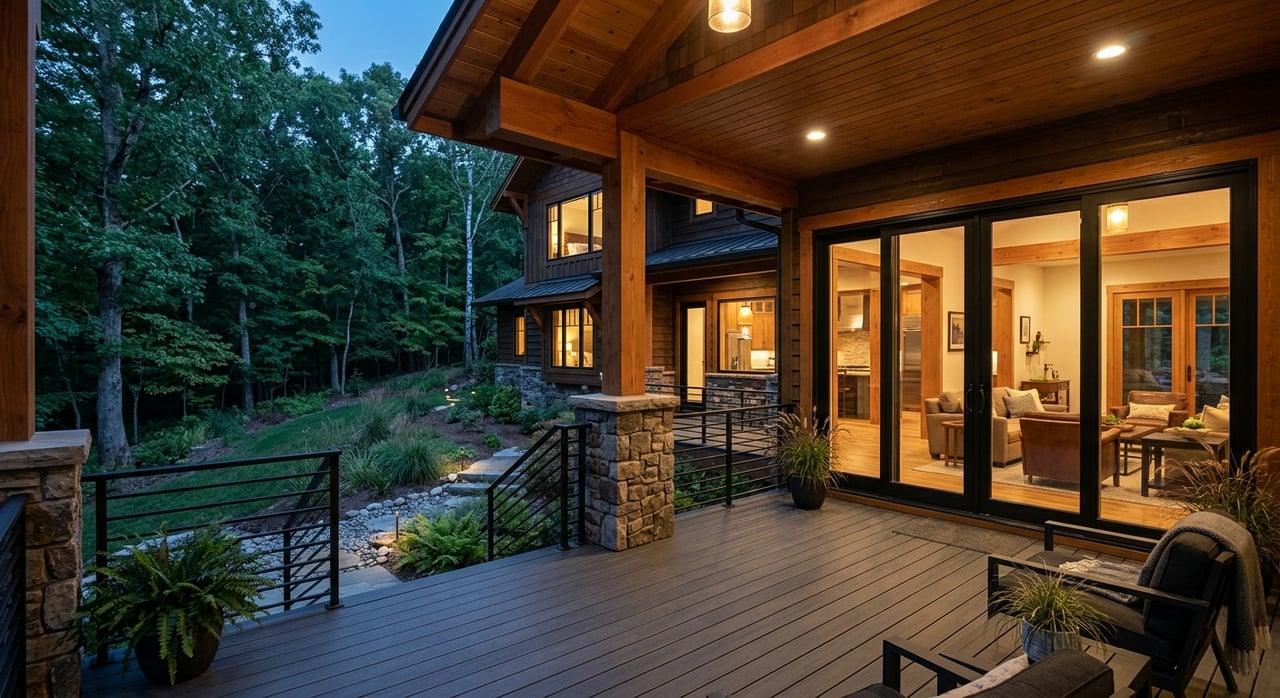
Choosing where to live around Asheville can feel harder than it looks. Area names get used a lot, but Asheville itself notes that many neighborhood boundaries overlap, so the smartest way to think about the market is by lifestyle and location, not exact lines on a map. If you want relaxed mountain living with the right mix of convenience, culture, and everyday comfort, this guide will help you compare the best Asheville-area options. Let’s dive in.
Start With Your Lifestyle
The Asheville area works best when you picture it as a spectrum. On one end, you have downtown Asheville and the River Arts District for walkability, restaurants, and arts access. In the middle, you have places like North Asheville and South Asheville that balance city convenience with a more residential feel.
On the quieter end, you have Fletcher, Mills River, Hendersonville, Laurel Park, and Flat Rock, where many buyers look for a slower pace, mountain scenery, and practical access to healthcare or the airport. That lifestyle-based view is often more useful than trying to pin down exact neighborhood borders, especially if you are relocating to western North Carolina.
North Asheville for In-Town Calm
If you want to stay in Asheville proper but prefer a more established residential setting, North Asheville is one of the strongest fits. The Asheville Chamber describes the area as home to craftsman bungalows and Spanish-style villas around Beaver Lake, with a mix of retirees, families, and young professionals.
For many buyers, North Asheville offers a nice middle ground. You can stay connected to Asheville’s dining, shopping, and cultural attractions while enjoying a setting that often feels quieter and more settled than the city core. If your version of relaxed mountain living includes charm, mature surroundings, and in-town convenience, this area deserves a close look.
South Asheville for Convenience
South Asheville is a practical choice if you want easy access to daily services while staying close to some of the area’s best-known landmarks. The Asheville Chamber neighborhood guide notes that South Asheville sits near Biltmore and includes historic districts and urban villages.
This area is often part of relocation conversations because it blends Asheville access with a more suburban housing mix. It can make sense if you want room to spread out a bit while keeping Asheville’s core destinations within easy reach.
Biltmore Village Appeal
Within the South Asheville conversation, Biltmore Village has its own distinct draw. Explore Asheville describes Biltmore Village as the entry point to Biltmore Estate, with brick streets, storefronts, restaurants, and shops.
That setting matters because Biltmore is a National Historic Landmark with a 250-room house and 8,000 acres of gardens, forests, farmlands, wildlife habitat, and original estate structures. If you are drawn to history, visual character, and one of western North Carolina’s signature destinations, South Asheville and Biltmore Village may stand out.
Downtown Asheville for Walkability
If you want the most walkable, urban-feeling lifestyle in the region, downtown Asheville is the clear leader. According to the Asheville Chamber, downtown has more than 300 locally owned restaurants, stores, and boutiques, along with loft and condo housing and easy walking access to the city center.
This is the best fit for buyers who want to step outside and be close to dining, shopping, and everyday activity. Relaxed mountain living can mean different things to different people, and for some, it means less yard work and more time enjoying the city.
River Arts District Energy
The River Arts District adds another dimension to the downtown lifestyle. The River Arts District says it is home to hundreds of working artists and sits minutes from downtown Asheville and Biltmore Village.
For arts-minded buyers, this is one of the Asheville area’s strongest lifestyle stories. You are also close to downtown cultural anchors like the Asheville Art Museum, which helps explain why this part of the market appeals to people who want an active, creative environment.
West Asheville for Character
West Asheville is often known for personality and local flavor. The Asheville Chamber describes it as hip and eclectic, with trendy cafes, local shops, renovated storefronts, and homes that often include quaint houses, bungalows, and cottages.
If you want a neighborhood with a strong sense of place, West Asheville may be worth exploring. It is less about a sleepy mountain-town feel and more about character, convenience, and a distinctly local vibe.
Fletcher for Airport Access
For buyers who travel often or expect regular visitors, Fletcher is one of the most practical choices in the Asheville area. The Town of Fletcher says it is about 13 miles south of Asheville, with mainly level to hilly terrain, and that Asheville Regional Airport sits just west of town.
That convenience can make a real difference in daily life. Asheville Regional Airport reported 2.24 million passengers in 2025, with five airlines and 26 nonstop destinations as of March 2026, making it a meaningful asset for relocators and second-home owners.
Everyday Ease in Fletcher
Fletcher is not just about the airport. The town’s parks and recreation system includes walking trails, playgrounds, a dog park, and a 9-hole disc golf course.
That combination of convenience and low-key recreation is part of Fletcher’s appeal. If you want a calm home base with strong logistics, this area often checks the right boxes.
Mills River for Outdoor Access
Mills River is a strong option if your idea of relaxed living includes easy access to nature. The Town of Mills River says it is within minutes of Pisgah National Forest, Interstate 26, and Asheville Regional Airport, with Highways 280 and 191 connecting it to Asheville, Hendersonville, and Brevard.
That location gives you flexibility without putting you in the middle of city activity. It can be a smart fit if you want breathing room while staying connected to the wider region.
Parks and a Slower Pace
Mills River also offers recreation close to home. Mills River Park spans 48 acres and includes a multi-use trail, dog park, picnic shelter, playground, courts, and a canoe and kayak launch.
If you are looking for a quieter base with outdoor access built into everyday life, Mills River stands out. It combines practical location benefits with a more relaxed feel than many buyers expect near Asheville.
Hendersonville for Small-City Living
If Asheville feels a little too busy, Hendersonville is often the clearest small-city alternative. Visit Hendersonville highlights Downtown Hendersonville, Fletcher, Flat Rock, Laurel Park, and Mills River as the county’s main communities.
Downtown Hendersonville brings together shopping, galleries, museums, restaurants, antique stores, and local events. According to Visit Hendersonville’s downtown guide, the area also features attractions like the NC Apple Festival and the Bearfootin’ Public Art Walk.
That mix gives Hendersonville a strong everyday-livability factor. If you want arts and activity without the feel of a larger city center, this area is often a very comfortable fit.
Healthcare Access Around Hendersonville
Healthcare is a major factor for many relocating buyers, especially retirees and second-home owners. Henderson County medical resources list AdventHealth Hendersonville, UNC Health Pardee, and Blue Ridge Health, while Asheville proper is home to Mission Hospital on Biltmore Avenue.
For many people, this practical side of the move matters as much as scenery or style. If dependable access to healthcare is high on your list, both Asheville and the Hendersonville corridor offer important advantages.
Laurel Park for Mountain Views
Laurel Park is one of the best fits for buyers who want a slower pace with mountain scenery close at hand. Visit Hendersonville notes that Jump Off Rock is located in Laurel Park and describes it as a small mountaintop park with panoramic views and hiking trails, about 15 minutes from downtown Hendersonville.
That location helps explain Laurel Park’s appeal. You can enjoy a more peaceful setting while staying close to the services, dining, and arts scene of Hendersonville.
Flat Rock for Arts and History
Flat Rock adds another appealing option just south of Hendersonville. Visit Hendersonville’s Flat Rock guide says the community is about 3 miles from downtown Hendersonville and highlights the Flat Rock Playhouse, The Gallery at Flat Rock, the Historic Village of Flat Rock, and nearby cultural attractions.
If you want a setting with a refined, arts-forward feel, Flat Rock often belongs on the shortlist. It offers a quieter pace while keeping you near everyday services and cultural destinations.
Outdoor Living Across the Region
One reason the Asheville area attracts so many buyers is that outdoor access is woven into daily life. The Blue Ridge Parkway offers a 469-mile scenic drive, and nearby Pisgah National Forest spans more than 500,000 acres with trails, waterfalls, fishing, and biking.
You also have the North Carolina Arboretum just south of downtown Asheville, with 434 acres of public gardens. Whether you choose Asheville, Mills River, Hendersonville, or one of the nearby communities, mountain living here is not just a view. It is part of the routine.
How To Narrow Your Search
If you are comparing Asheville-area neighborhoods, a simple framework can help:
- Choose downtown Asheville or the River Arts District if walkability, restaurants, and galleries matter most.
- Choose North Asheville if you want an established in-town residential feel.
- Choose South Asheville if you want suburban convenience and proximity to Biltmore.
- Choose Fletcher or Mills River if airport access is a top priority.
- Choose Hendersonville, Laurel Park, or Flat Rock if you want a slower pace with strong arts, scenery, and healthcare access.
The right choice depends on how you want your days to feel. Some buyers want activity outside the front door, while others want a quieter home base with easy access to town.
If you are planning a move to western North Carolina, working with a local team can make it much easier to compare these areas in a practical way. Mary Sitton can help you sort through neighborhood options, timing, and next steps with steady local guidance.
FAQs
Which Asheville-area neighborhoods are most walkable for relaxed living?
- Downtown Asheville and the River Arts District are the most walkable choices, with easy access to restaurants, shops, galleries, and downtown attractions.
Which Asheville-area communities are best for airport access?
- Fletcher and Mills River are the strongest options for airport convenience because Asheville Regional Airport is located in Fletcher and both communities offer easy regional connections.
Which Asheville-area locations offer good healthcare access?
- Asheville proper offers access to Mission Hospital, while the Hendersonville area offers AdventHealth Hendersonville and UNC Health Pardee, making both corridors practical for buyers focused on healthcare access.
Which Asheville-area neighborhoods feel quieter and more residential?
- North Asheville, Mills River, and Laurel Park are often strong options for buyers looking for a quieter pace and a more relaxed mountain setting.
Which Asheville-area communities are best for arts and culture?
- Downtown Asheville, the River Arts District, Downtown Hendersonville, and Flat Rock stand out for galleries, museums, performance venues, public art, and other cultural attractions.