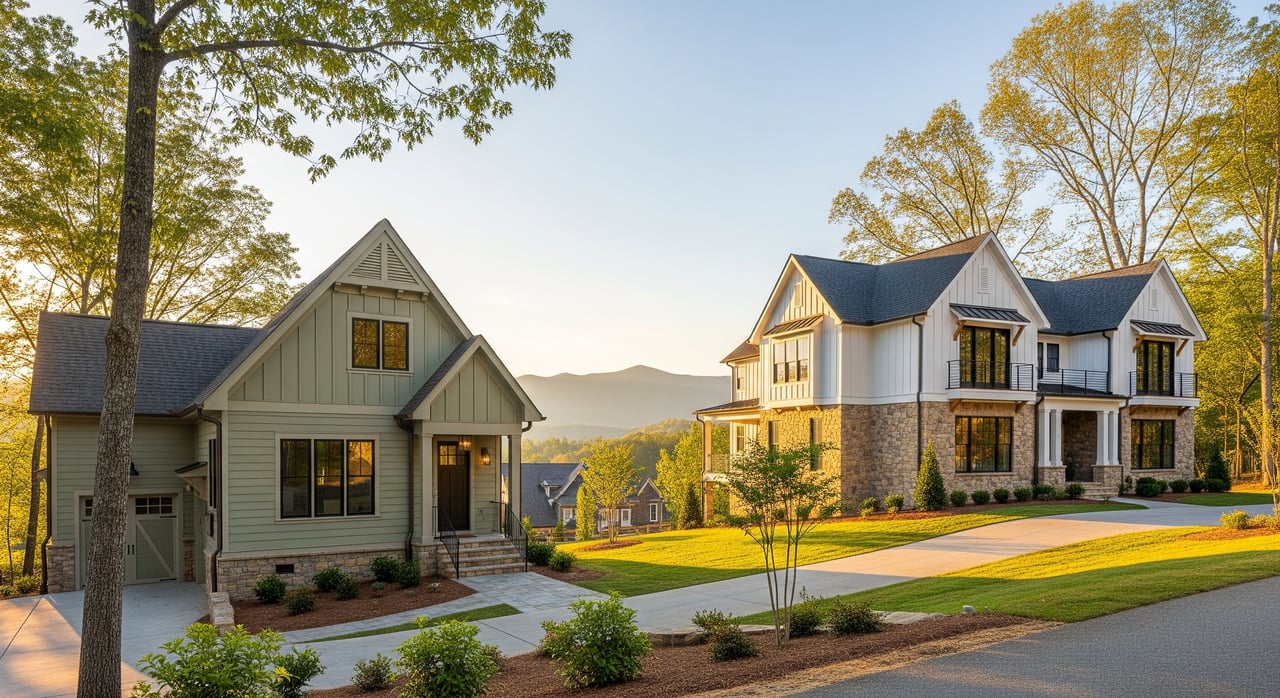
Trying to decide whether your next Fletcher home should be a starter or a move-up option? You want enough space for your life without adding stress to your commute or budget. In this guide, you’ll learn how the main Fletcher micro-markets compare by home style, lot type, access, and everyday convenience so you can choose with confidence. Let’s dive in.
Starter vs move-up basics
A starter home in Fletcher typically favors a lower purchase price, simpler maintenance, and shorter drives to errands. You’ll often see smaller lots and older homes that may need some updates. A move-up home usually trades higher price for more square footage, newer finishes, larger lots, and more privacy.
Here’s a quick way to think about priorities:
- Starter: affordability, low monthly costs, easy retail access, minimal yard work.
- Move-up: 3 or more bedrooms, a dedicated office, garage space, outdoor living, and upgraded finishes.
Starter hot spots in Fletcher
Central Fletcher and US‑25 corridor
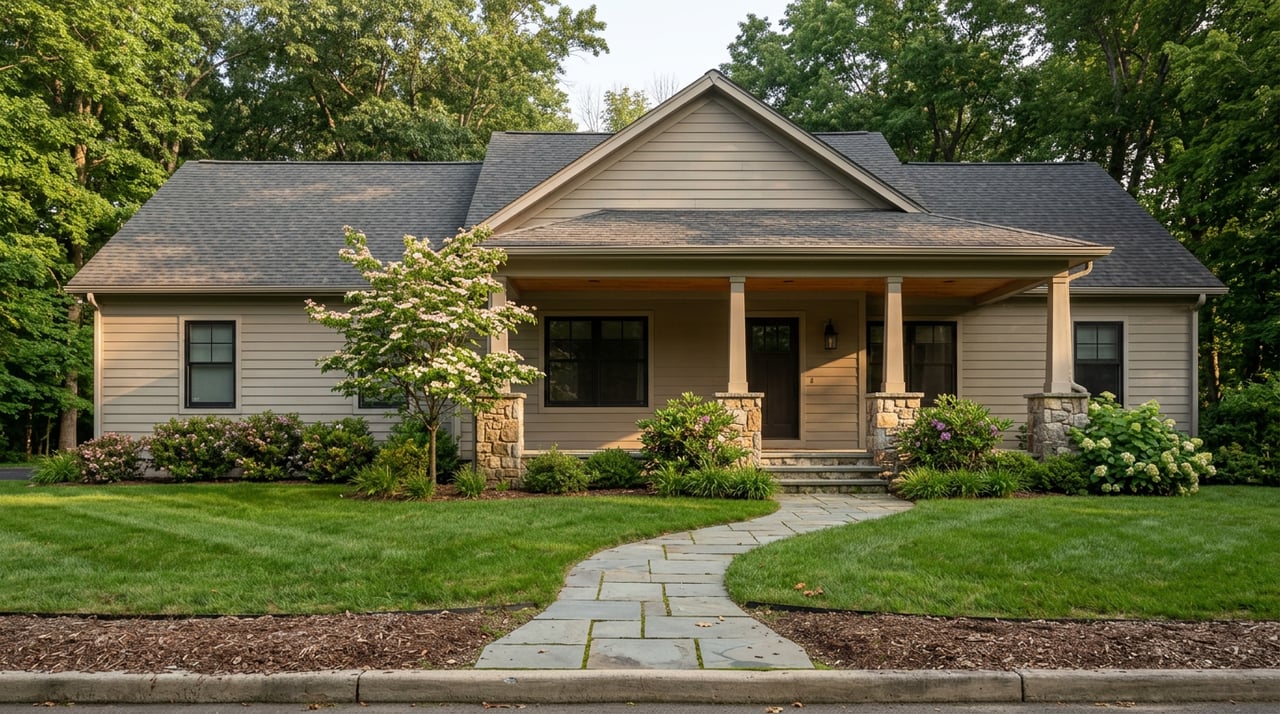
If you want short trips to groceries and services, central Fletcher along the Hendersonville Rd (US‑25) corridor is a strong starter zone. You’ll find older ranches, split‑levels, small bungalows, and modest two‑story homes, plus occasional townhome clusters. Lots are smaller, and many homes were built between the 1970s and 1990s with some newer infill.
What to expect day to day:
- Quick access to US‑25 and a short hop to I‑26 for regional travel.
- Low likelihood of HOAs for standalone homes, which offers flexibility on exterior choices.
- Tradeoffs include smaller yards and older systems that may need updates.
Near I‑26 and Asheville Regional Airport
Areas close to I‑26 and Asheville Regional Airport work well if you value regional connectivity. Housing is mixed: newer subdivisions and plan-built homes, mid‑range ranches and craftsman styles, and some townhome communities. Lot sizes vary from small to medium, with more construction from the 2000s forward.
What stands out:
- Excellent access for commuting to Asheville or east-west along I‑26.
- Moderate HOA presence in newer subdivisions and townhome projects.
- Convenience to shopping and newer retail nodes, with occasional airport noise near flight paths.
Townhomes and low‑maintenance options
If yard work is not your thing, townhomes near retail pockets can be a smart starter choice. Newer projects often feature three‑story layouts with garage parking and small footprints. HOAs are common and typically handle exterior and landscape maintenance.
Why this works for starters:
- Lower maintenance and predictable HOA coverage for exterior upkeep.
- Good proximity to main corridors and services.
- Smaller private outdoor areas compared to standalone homes.
Move-up hot spots in Fletcher
New subdivisions and planned communities
Move-up buyers often gravitate to modern neighborhoods in Fletcher’s southern and western pockets. These communities commonly offer 3 to 4 or more bedrooms, open floor plans, and contemporary finishes. Lots are medium-sized, and most homes are from the last 10 to 15 years.
What you’ll notice:
- Many are designed with commuter access in mind, near I‑26 or US‑25.
- Community amenities can include trails or a pool, depending on the neighborhood.
- HOAs range from moderate to high, which can help maintain community standards and shared spaces.
Outlying rural and ridge‑top parcels
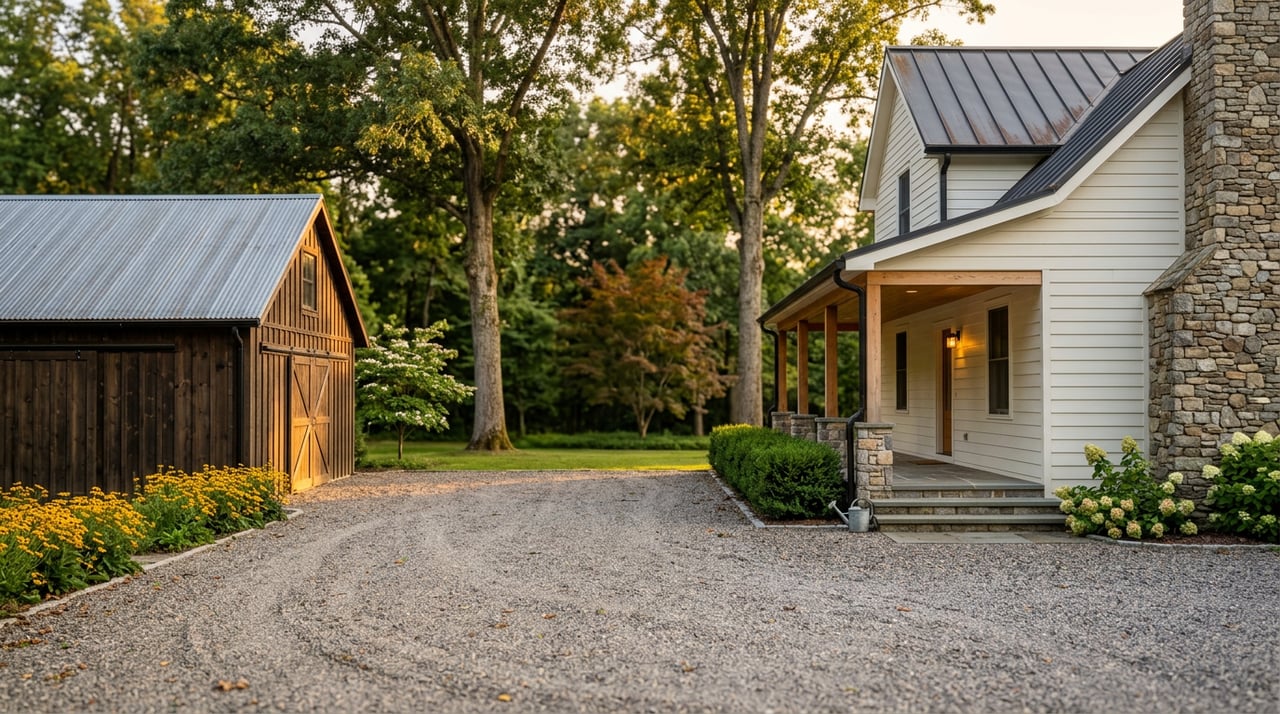
If privacy and elbow room top your list, check the eastern and southern edges of Fletcher for larger parcels. You’ll see a mix of custom builds, mountain‑style homes, and small farmettes. HOAs are uncommon in these areas.
Key tradeoffs:
- Larger lots, wooded settings, and view potential in exchange for longer drives to retail.
- Site conditions can vary with slope and driveway grade, which may affect maintenance and build options.
- Limited immediate services means planning errands and commutes ahead.
Commute and access
Fletcher sits along two key routes: I‑26 for regional travel and US‑25 for local errands. If you fly often, Asheville Regional Airport is nearby, which many buyers view as a major convenience. Properties under flight paths can experience airport noise, so it pays to review any disclosures and noise information before you buy.
Transit options in western North Carolina are limited, and most residents rely on personal vehicles. If a short commute is a priority, confirm drive times during peak hours and consider areas closest to I‑26 or US‑25. Central Fletcher offers the easiest access to everyday services.
Lots, utilities, and HOAs
Western North Carolina terrain changes quickly. Even within town limits, a lot’s usability can depend on slope, driveway grade, and soil conditions. Before you write an offer, verify surveys, driveway access, and if the parcel is in a flood zone or near a creek.
Utilities vary. Newer subdivisions often connect to municipal water and sewer. Older and rural properties may have wells and septic systems, which can influence renovation plans and future resale.
HOAs are common in planned communities and townhome projects. Review covenants, fees, and reserve status so you understand exterior rules, amenity costs, and long‑term maintenance plans.
Pricing bands in Fletcher
Rather than chase outdated list prices, use these qualitative tiers to frame your search, then verify current numbers through the local MLS.
- Entry/affordable: older ranches, small bungalows, modest two‑story homes near US‑25; townhomes and low‑maintenance products near retail. Expect smaller lots and some updates needed.
- Mid‑range: newer plan‑built homes near I‑26 or within recent subdivisions; 3 or more bedrooms, open plans, and garages on small to medium lots. Often lower immediate maintenance.
- Upper: larger single‑family homes on bigger or wooded lots, custom builds, or rural parcels with privacy and views. Newer construction or upgraded finishes are typical.
Buyer checklists by micro‑market
Starter zones (central US‑25 corridor, townhome pockets):
- Confirm age and condition of roof, HVAC, and major systems.
- Budget for kitchen and bath updates if needed.
- Ask about exterior maintenance responsibilities if considering a townhome.
Move-up zones (new subdivisions, rural parcels):
- Review HOA covenants, amenity fees, and any design guidelines.
- Verify utility type and connection points. Understand septic capacity if applicable.
- Evaluate driveway slope, drainage, and buildability for additions or outdoor projects.
Seller tips by segment
If you’re selling a starter‑friendly home, focus on cost‑effective upgrades that help buyers see value. Fresh paint, modern lighting, bathroom refreshes, and curb appeal can go a long way. Provide clear maintenance records to reduce buyer uncertainty.
If you’re selling a move‑up home, highlight square footage, bedroom count, flexible office space, and outdoor living. Showcase community amenities if your neighborhood offers them. If you have a larger lot or wooded privacy, make that a centerpiece of your marketing.
Which path fits your next step?
If you want convenience and a manageable payment, central Fletcher and low‑maintenance townhome options may fit your lifestyle. If you need space for a growing household, a home office, or outdoor living, newer subdivisions or rural parcels can deliver the room and privacy you want. Either path can work well in Fletcher if you match your priorities to the right micro‑market.
You do not have to sort the details alone. The Mary Sitton Team guides you through inspections, covenants, utilities, and pricing so you avoid surprises and protect your equity. Ready to compare neighborhoods and move forward with clarity? Connect with Mary Sitton for local, steady guidance from search to closing.
FAQs
How do starter and move‑up price bands differ in Fletcher?
- Entry options often include older ranches and townhomes on smaller lots, while move‑up options lean newer with more square footage, larger lots, and upgraded finishes.
Which Fletcher areas are best for commuters or frequent flyers?
- Neighborhoods near I‑26 and close to Asheville Regional Airport offer the fastest regional access, while the US‑25 corridor excels for short local errands.
Are there many new‑construction move‑up options in Fletcher?
- Yes, several newer subdivisions and planned communities offer modern floor plans with 3 to 4 or more bedrooms, though availability varies over time.
What upkeep should I expect with older starter homes?
- Plan for potential updates to HVAC, roof, kitchens, bathrooms, and possible drainage or septic work depending on the property.
Is a rural or ridge‑top property worth the longer drive?
- If you value privacy, acreage, and views, rural parcels can be ideal, but expect longer drives and potentially higher maintenance and infrastructure costs.
What should I know about HOAs in Fletcher?
- Townhome and newer subdivision HOAs may limit exterior changes and charge dues for amenities and maintenance, so review covenants and fee schedules early.