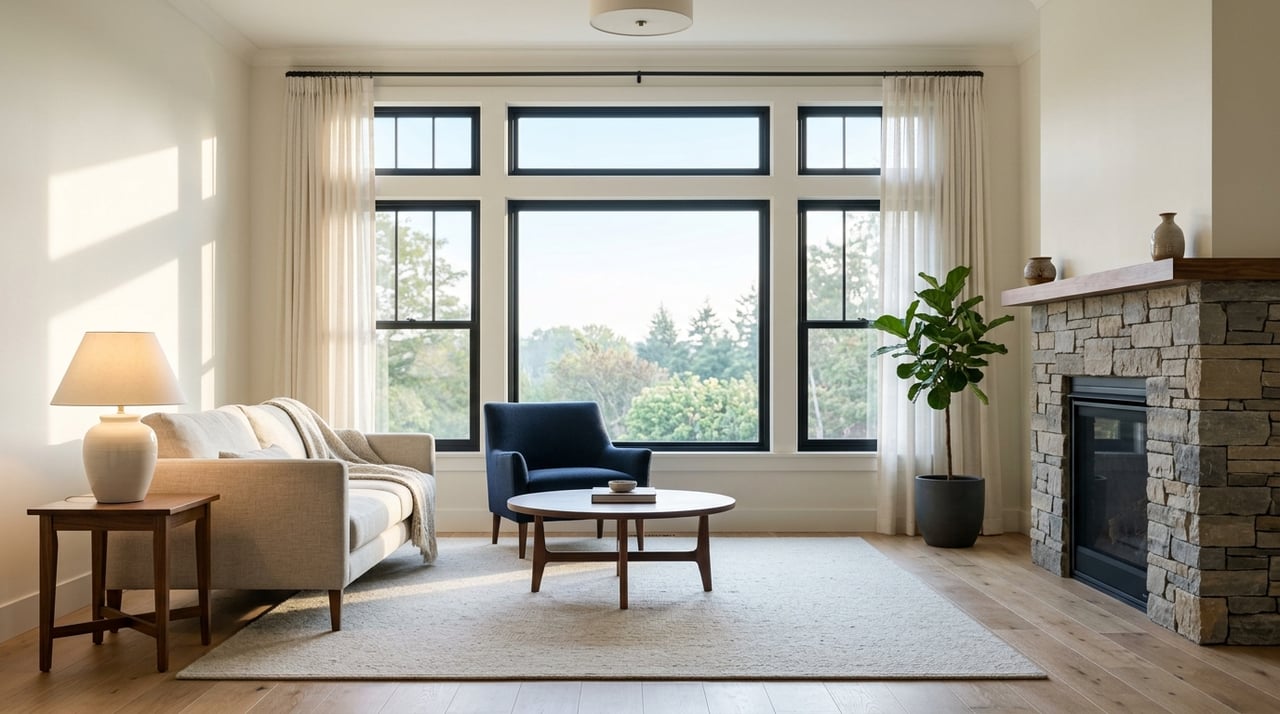
When you sell a view home in Laurel Park, you are not just selling a house. You are selling a daily experience that blends scenery, mountain setting, and the realities of hillside living. If you want top dollar, you need a strategy that highlights the view honestly, answers buyer questions clearly, and supports your price with the right local comparisons. Let’s dive in.
Why Laurel Park view homes stand out
Laurel Park is known for its mountain setting on the southern edge of the Blue Ridge Mountains, just west of Hendersonville. The town’s identity is closely tied to its natural environment, with landmarks like Jump Off Rock and a network of trails and bike routes that reflect the area’s steep terrain and scenic appeal.
That matters because buyers in Laurel Park are usually not paying for a view alone. They are looking at the full package, including the outlook, the elevation, the approach to the home, and how the property functions day to day. In other words, the strongest listings present the home as a mountain lifestyle property, not just a house with windows.
Position the view as part of the lifestyle
A strong view can create an emotional first impression, but emotion alone does not secure a premium price. Buyers also want confidence that the home is practical, well cared for, and easy to understand.
Your marketing should connect the scenery to real use. If the home has a deck, terrace, picture windows, or a main living area that frames the ridgeline, those features should be presented as part of how you live in the property every day. That makes the value feel tangible.
Focus on the spaces that sell the view
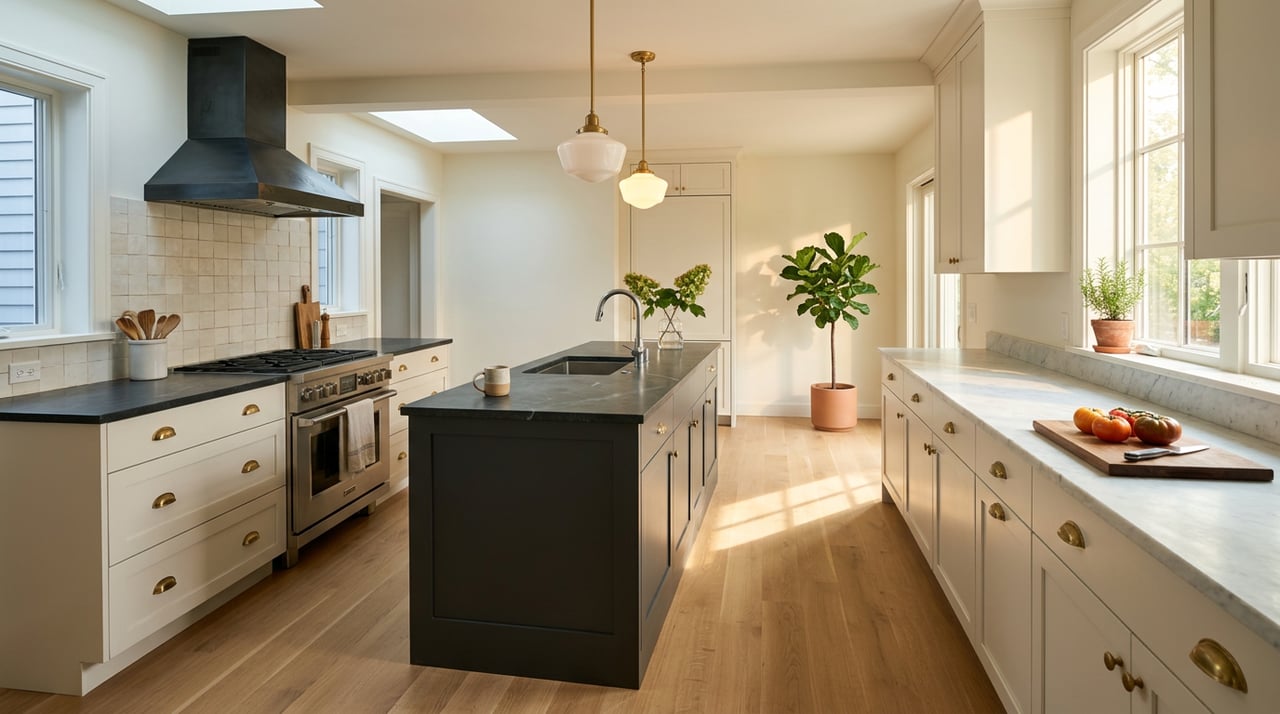
The most important rooms to stage are often the same rooms that showcase a Laurel Park view best. According to the National Association of REALTORS® 2025 staging profile, buyers’ agents ranked the living room as the most important room to stage, followed by the primary bedroom and kitchen.
For many Laurel Park homes, those are also the rooms where sightlines matter most. If your main living spaces look toward the mountains, the staging plan should support that by drawing the eye outward instead of distracting from the windows.
Keep the presentation simple and bright
Good view-home marketing usually starts with restraint. Open blinds to bring in natural light, remove visual clutter, and scale back furniture so rooms look larger and cleaner on camera.
Photo timing matters too. Industry guidance notes that time of day and weather can change how rooms and views photograph, so it is smart to plan for even, indirect light instead of harsh glare. The goal is to make the home feel calm, open, and true to life.
Market the home honestly online
Online presentation can either build momentum or create disappointment. Buyers who fall in love with a view home online expect the in-person experience to match what they saw in the listing photos and video.
That means your marketing should show the view clearly without exaggeration. Avoid over-editing skies, over-saturating colors, or using wording that oversells what buyers will actually see from the property.
Use professional visuals to show setting and approach
For a Laurel Park view property, photography is only part of the story. Professional video and virtual tours can help buyers understand how the interior connects to outdoor spaces and how the view is experienced from room to room.
Drone photography can also be useful for showing the home’s setting and hillside placement. In a mountain community, aerial visuals often help buyers understand orientation, privacy, and approach in a way ground-level photos cannot.
Price the home with the right comp set
One of the biggest mistakes sellers make is assuming every view automatically adds the same value. Research on view premiums shows mixed results. Some homes near open space or parks sell for premiums, often in the single digits, while some mountain-view studies found little premium or even a negative one.
The key point is simple: the market pays for the specific view it values. Buyers do not pay extra just because a listing says “view.” They pay more when the location, orientation, livability, and overall property package support that price.
Compare like with like
Appraisal guidance is clear that the best comparable sales are the ones most similar in location, size, condition, and other features buyers and sellers believe affect value. For a Laurel Park view home, that usually means recent sales with a similar hillside setting, similar access, and a similar type of outlook.
A broad comp set pulled from all over Henderson County may miss the details that matter. A home with long-range mountain views, a manageable approach, and strong indoor-outdoor flow should not be treated the same as a home that sits on a slope but offers a limited or seasonal view.
Support the price with current market timing
Timing matters too. Fannie Mae guidance notes that appraisers should analyze whether market conditions changed between a comparable sale’s contract date and the appraisal date, with time adjustments made when warranted.
That is one reason pricing should be based on current local evidence, not older sales or peak-market assumptions. If you want a strong list price and a smoother appraisal path, your pricing story needs to reflect both the property and the moment.
Answer hillside-living questions early
In Laurel Park, buyers often ask practical questions before they ask emotional ones a second time. They want to know how water moves across the site, who maintains the road, and what upkeep comes with the slope.
Sellers who answer those questions early tend to build more trust. Instead of letting buyers imagine problems, you can show them the systems, maintenance, and planning that support the home.
Be ready to discuss drainage and erosion
Laurel Park’s comprehensive plan notes that mountain-area development can involve poor drainage, erosion, thin soils on mountainsides, and septic percolation-test issues. NC State Extension also notes that slopes greater than 12% are vulnerable to erosion.
If your property has gutters, downspouts, retaining walls, drainage features, or slope plantings, be ready to explain what has been maintained and why. Buyers may want to know where runoff goes and what routine steps have helped protect the site over time.
Clarify road maintenance and winter access
Road maintenance is another common question in Laurel Park. Henderson County notes that roads may be maintained by NCDOT, a municipality, or private groups, while Laurel Park Public Works handles streets and rights-of-way maintenance plus snow and ice removal for town-maintained areas.
This is worth clarifying before the home hits the market. If the property is on a steep approach or includes private-road elements, having maintenance records and clear information about road responsibility can reduce hesitation and make the home feel more straightforward.
Prepare the home for confident showings
Once your pricing and marketing are in place, the showing experience needs to reinforce them. A buyer standing in the living room should immediately understand what makes the property special and how it works.
That means the route into the home, the light inside, and the transition to outdoor spaces all matter. You want buyers to feel the setting, not get distracted by unanswered questions or awkward furniture placement.
Use a practical pre-listing checklist
Before launching your listing, it helps to review the home through a buyer’s eyes:
- Clear windows to sharpen view lines
- Open blinds and shades for natural light
- Simplify furniture in main living spaces
- Highlight decks, patios, or outdoor seating areas
- Gather records for drainage, slope, or retaining-wall work
- Confirm who maintains the road serving the property
- Note any winter access details buyers should know
- Prepare accurate remarks that describe the view truthfully
This kind of preparation supports both value and confidence. It also helps your marketing tell a cleaner, more credible story.
Top dollar comes from clarity
The best results usually do not come from calling a home “rare” and hoping buyers agree. They come from aligning presentation, pricing, and proof. In Laurel Park, that means showing how the view connects to the home, supporting the number with the right comps, and addressing hillside-living questions before they become objections.
When you do that well, your home stands out for the right reasons. Buyers can see the beauty, understand the setting, and feel more comfortable making a strong offer.
If you are getting ready to sell a view home in Laurel Park, the right strategy can make a meaningful difference in both interest and outcome. For thoughtful pricing, premium marketing, and steady guidance from a local team, connect with Mary Sitton.
FAQs
How should you price a view home in Laurel Park?
- You should price it using recent comparable sales that closely match the home’s location, condition, hillside setting, access, and type of view, rather than assuming every view commands the same premium.
What do buyers look for in a Laurel Park view home?
- Buyers often look at the full package, including the mountain outlook, the approach to the property, the main living spaces, and practical details like drainage, erosion control, and road maintenance.
Does staging matter when selling a Laurel Park view property?
- Yes. Staging can help buyers picture themselves in the home, and the living room, primary bedroom, and kitchen are especially important when those spaces frame the view.
What road questions come up when selling a home in Laurel Park?
- Buyers may ask whether the road is maintained by the town, NCDOT, or a private group, and they may also want details about snow and ice removal or steep approach conditions.
Why does honest marketing matter for a Laurel Park view home?
- Honest marketing matters because buyers expect the in-person experience to match what they saw online, and accurate photos and descriptions help build trust and reduce disappointment during showings.