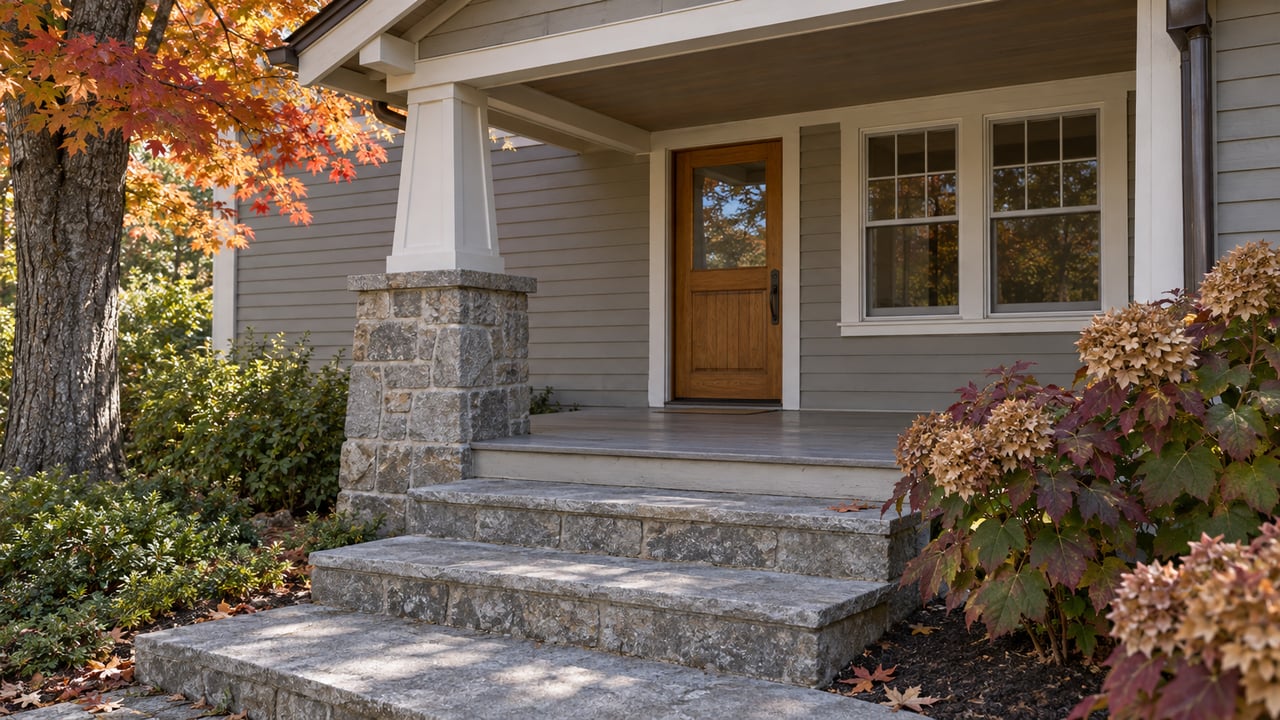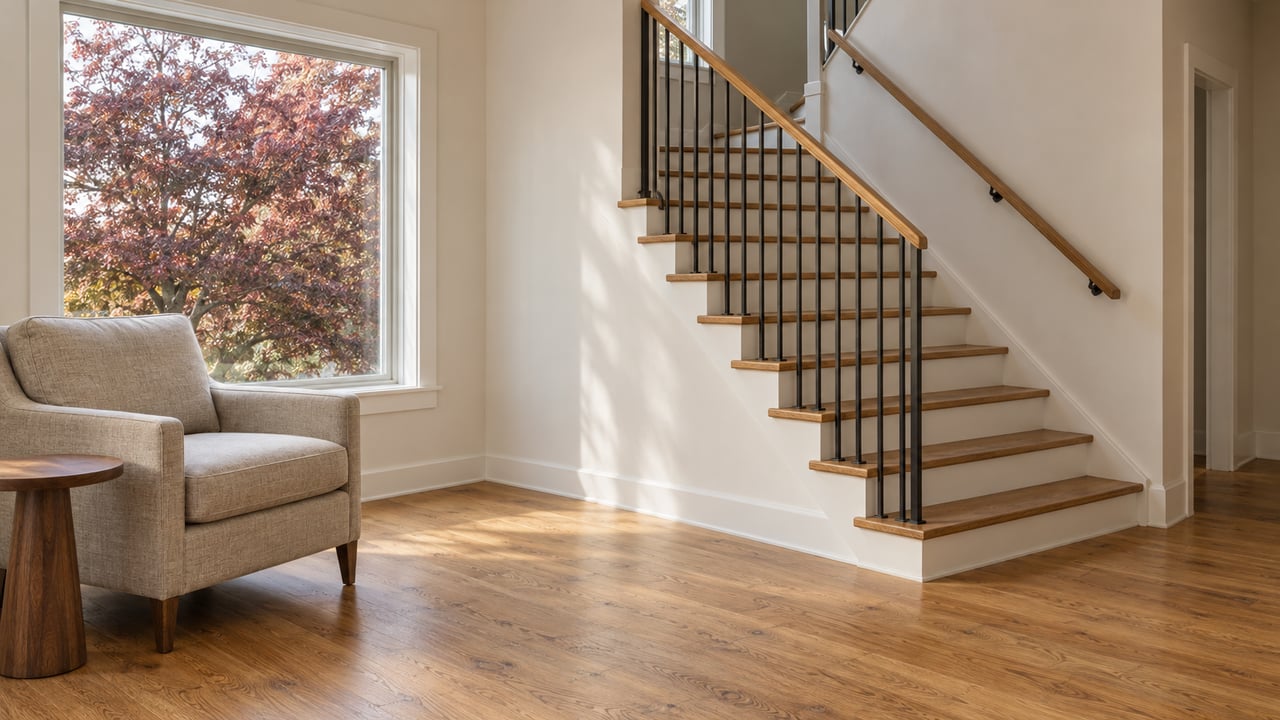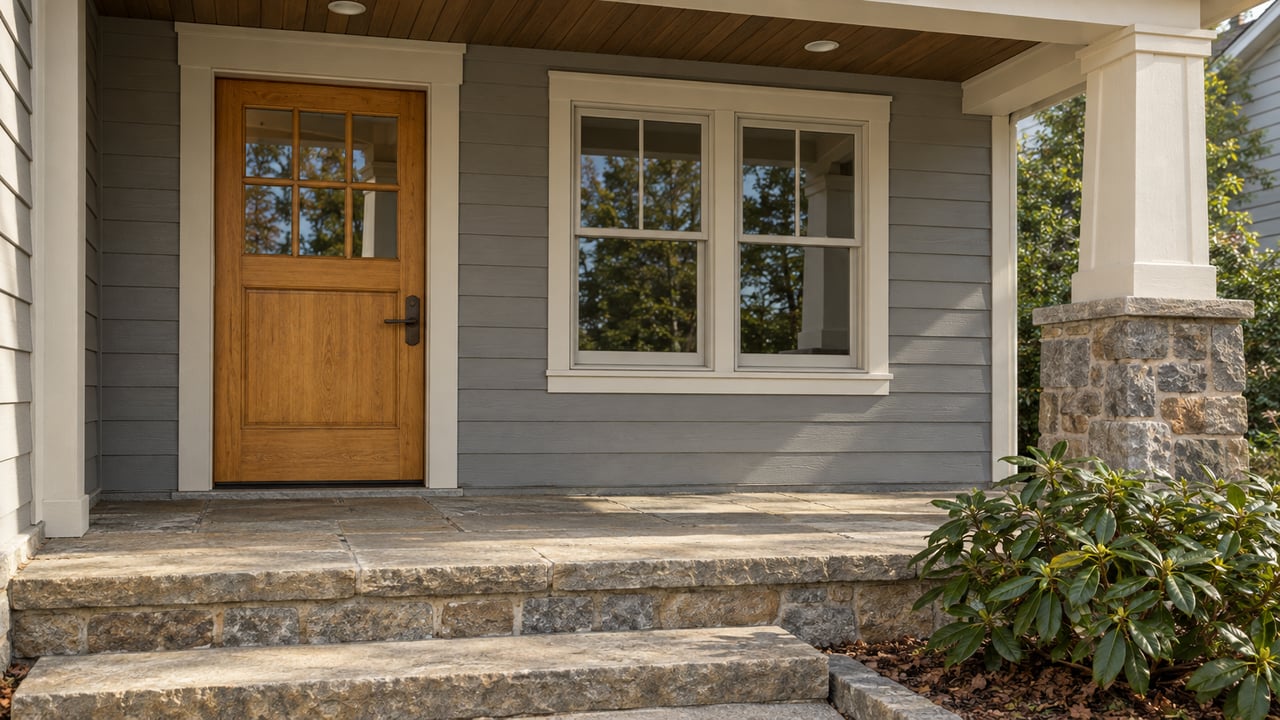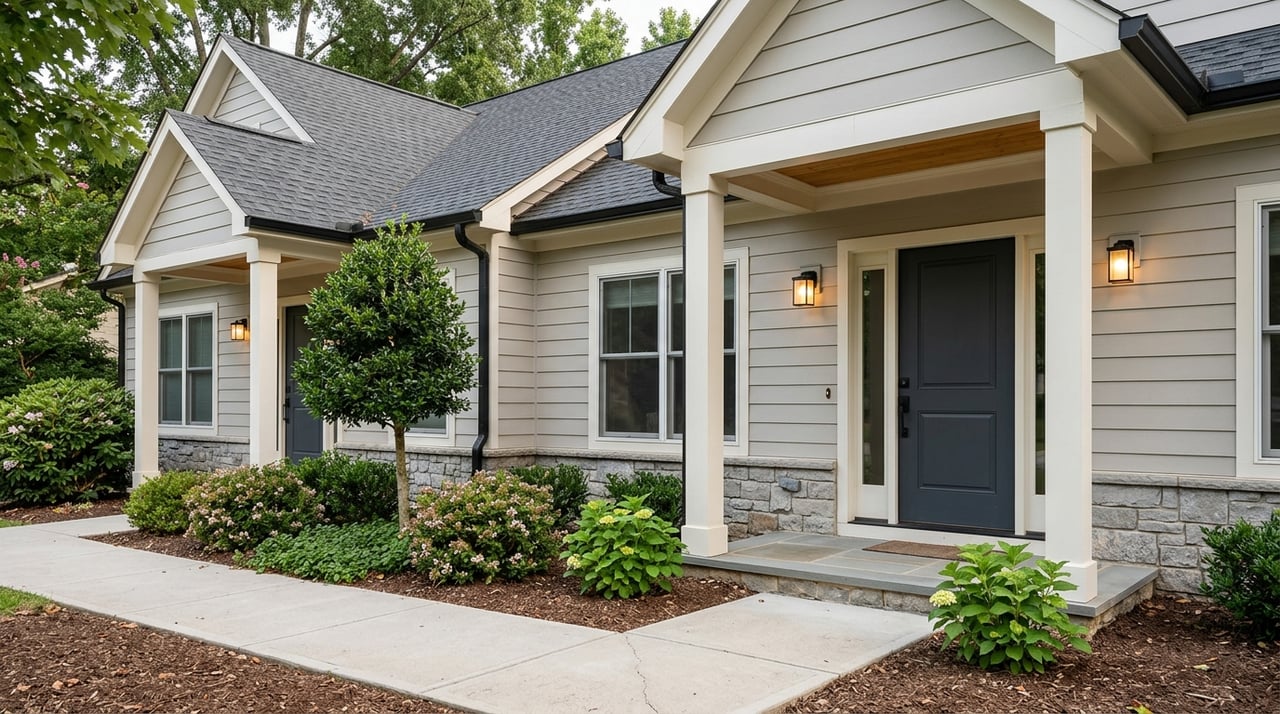
Thinking about buying in Laurel Park, but not sure whether a condo or townhome is the right fit? You are not alone. Attached-home living can offer an easier, lower-maintenance way to enjoy this mountain town, but the details matter more than many buyers expect. This guide will help you understand how condos and townhomes work in Laurel Park, what current options look like, and what to review before you buy. Let’s dive in.
Why attached homes stand out in Laurel Park
Laurel Park is a small incorporated mountain town just west of Hendersonville, with a 2020 population of 2,250. Its trail network connects lower and upper Laurel Park with places like Laurel Green Park, Rhododendron Lake Nature Park, and Jump Off Rock. For many buyers, that setting is a big part of the appeal.
Attached housing is not spread evenly across town. Laurel Park’s zoning framework reserves some areas for primarily single-family detached homes on large lots, especially where steeper slopes, limited sewer access, limited road access, and watershed restrictions shape development. Multi-family and mixed-housing options are more likely to appear in the Town Center district or in planned developments.
That matters because your condo or townhome search in Laurel Park may feel more community-specific than town-wide. Instead of seeing attached homes on every street, you will often find them clustered in certain developments with their own rules, amenities, and fee structures.
Condo vs. townhome in North Carolina
A lot of buyers use the terms condo and townhome as if they mean the same thing. In practice, a townhome usually describes the building style, while the legal ownership structure may be either a condominium or a planned community under North Carolina law.
A condominium is made up of separately owned units plus common elements owned by the unit owners together. A planned community is a community where owning a lot includes an obligation to pay for shared expenses like taxes, insurance, or maintenance. That means a townhome can legally be part of either setup.
For you as a buyer, the key question is not just what the home looks like from the outside. The more important question is how ownership, maintenance, and fees are defined in the community documents.
Why the legal structure matters
The legal setup affects what you own, what the association maintains, and how costs are shared. In both condominiums and planned communities, the association is generally responsible for common elements, while owners are responsible for their own unit or lot.
Still, some costs can be assigned differently depending on limited common elements, use, or which owners benefit from a specific expense. That is why two homes with similar layouts can come with very different monthly obligations and responsibilities.
What Laurel Park condo options look like
Current listing snapshots show that condos in Laurel Park come in more than one format. You may find traditional upper-level units, end units, split-bedroom layouts, or even free-standing condo configurations depending on the community.
Examples in current public listings include 2-bedroom, 2-bath condos around 1,250 to 1,489 square feet. Other condo options include a 2-bedroom, 2.5-bath home around 2,046 square feet and 2-bedroom, 3-bath examples from about 1,336 to 1,964 square feet.
Many of these homes are designed to blend comfort with simpler upkeep. Features shown in current listings include screened porches, sunrooms, and in some cases detached second living quarters.
What Laurel Park townhome options look like
Townhomes in Laurel Park also cover a broad range. Current examples run from about 2 bedrooms and 3 baths with roughly 1,785 square feet to larger 3-bedroom or 4-bedroom homes with about 1,874 to 3,261 square feet.
One current new-construction example is a 56-home attached community with single-level 2-bedroom, 2-bath homes starting in the upper $360s. The listing describes ranch-style homes with open floor plans, plus landscaping, trash pickup, and snow removal included in a modest HOA fee.
That variety can be helpful if you want attached living without giving up too much space. In Laurel Park, a townhome may feel closer to a single-family home in size while still offering a more manageable exterior-maintenance setup.
Amenities and features buyers often see
A big reason buyers choose condos and townhomes is lifestyle. Current Laurel Park listings suggest many attached-home communities are built around convenience, scenery, and easier day-to-day upkeep.
Features and amenities shown in current listings include:
- Mountain, creek, and pond views
- Decks and screened porches
- Community pools and clubhouses
- Deeded garages or covered parking
- Shared green space
- Paved scenic paths
- Landscaping included in some communities
- Trash pickup included in some communities
- Snow removal included in some communities
Not every community offers the same package. That is why it is smart to compare monthly dues side by side with what those dues actually cover.
What HOA fees may cover
Current listing snapshots show HOA dues in Laurel Park attached-home communities ranging from about $250 to $700 per month, with other visible examples at $410, $560, and $667. These numbers are only a market snapshot, not a universal local average.
In practical terms, the same monthly fee can mean very different things from one community to another. One association may cover exterior maintenance, landscaping, and snow removal, while another may include access to amenities or shared insurance costs.
Before you decide whether a fee feels high or reasonable, ask what it buys. That answer matters more than the number alone.
Questions to ask about monthly dues
Use this checklist as you review a specific community:
- Does the fee cover roof or exterior maintenance?
- Is landscaping included?
- Are trash pickup and snow removal included?
- What parking or garage rights come with the property?
- Are amenities like pools, clubhouses, or paths included?
- Has the community had special assessments?
- Do reserves appear strong enough for future repairs?
How attached living compares with a single-family home
The biggest tradeoff is maintenance responsibility. In North Carolina, common-element upkeep usually falls to the association, while upkeep inside your unit or on your lot generally falls to you.
That setup can make condo and townhome living feel more lock-and-leave than a detached home. If exterior work, landscaping, or snow removal are included, you may spend less time managing routine property tasks.
On the other hand, attached living usually means more shared rules, more community governance, and a closer review of the governing documents. Compared with nearby single-family homes, you may also have a smaller lot and less direct control over some exterior decisions.
For many buyers in Laurel Park, that tradeoff is worth it. Attached homes can be a strong fit if you want mountain living with less exterior maintenance and easier travel logistics.
Why due diligence matters more here
Because Laurel Park is shaped by slopes, road access, sewer limits, and development patterns, attached housing tends to be concentrated in specific communities. That makes each development its own mini-market with its own financial picture and operating style.
North Carolina’s Legislative Library notes that HOAs are not regulated by a separate state or federal office. As a buyer, that means you should rely heavily on the governing documents, available association records, and careful transaction guidance.
This is one of the most important parts of the process. A well-run community can support the convenience you want, while weak reserves or unclear maintenance obligations can create surprises later.
Documents to review before closing
Before you close on a condo or townhome in Laurel Park, ask for:
- Declaration
- Bylaws
- Recent budgets or financial statements
- Meeting minutes
- Reserve information
- Any history of special assessments
Under North Carolina law, associations must keep records and make annual financial statements available to owners. The association must also provide a written statement of unpaid assessments within 10 business days after request, and it may charge up to $200 for that statement, plus up to a $100 expedite fee if the request is made within 48 hours of closing.
Fee rules buyers should understand
Association fees are not optional, so it is important to understand how they are handled. Under North Carolina law, common expense assessments must be made at least annually after the first assessment.
If assessments go unpaid, past-due amounts can bear interest up to 18% per year. A filed lien can arise after 30 days of nonpayment, and nonjudicial foreclosure may begin after 90 days if the assessment remains unpaid.
Those rules are a reminder to treat the HOA review seriously from the start. You want to know both the current monthly cost and the community’s track record for managing expenses.
Who Laurel Park attached homes may suit best
Condos and townhomes are not a one-size-fits-all choice, but they often appeal to buyers who want a simpler ownership experience. In Laurel Park, they can make sense if you are downsizing, buying a seasonal home, relocating from out of town, or looking for a first home with less exterior upkeep.
They can also work well if you value a community setting and do not need a large lot. Since options range from smaller condos to larger townhomes, you may be able to find the right balance of space, convenience, and maintenance level.
The key is matching the home to your lifestyle, not just your budget. In Laurel Park, that usually means looking closely at the community itself, not just the floor plan.
If you are weighing condo or townhome living in Laurel Park, the right guidance can help you compare communities, spot risk, and focus on the details that affect your day-to-day ownership. When you are ready for local insight and careful support, connect with Mary Sitton.
FAQs
What is the difference between a condo and a townhome in Laurel Park?
- A townhome usually describes the building style, while the legal ownership may be either a condominium or a planned community under North Carolina law.
What do HOA fees usually cover in Laurel Park condos and townhomes?
- Coverage varies by community, but current listings show some dues may include items like exterior maintenance, landscaping, trash pickup, snow removal, parking rights, or amenity access.
What HOA fee range is showing up in Laurel Park attached-home listings?
- Current public listing snapshots show dues ranging from about $250 to $700 per month, but that is only a market snapshot and not a universal local average.
What documents should you review before buying a Laurel Park condo or townhome?
- Ask for the declaration, bylaws, recent budgets or financial statements, meeting minutes, reserve information, and any history of special assessments.
Are condos and townhomes in Laurel Park good for low-maintenance living?
- They often can be, especially when the association handles common-area upkeep and the fee includes items like landscaping or snow removal, but the exact maintenance split depends on the governing documents.
Why are attached homes clustered in certain parts of Laurel Park?
- Laurel Park’s zoning allows more opportunity for multi-family or mixed housing in specific districts and planned developments, while other areas are geared more toward detached homes on larger lots due to slope, sewer, road, and watershed constraints.