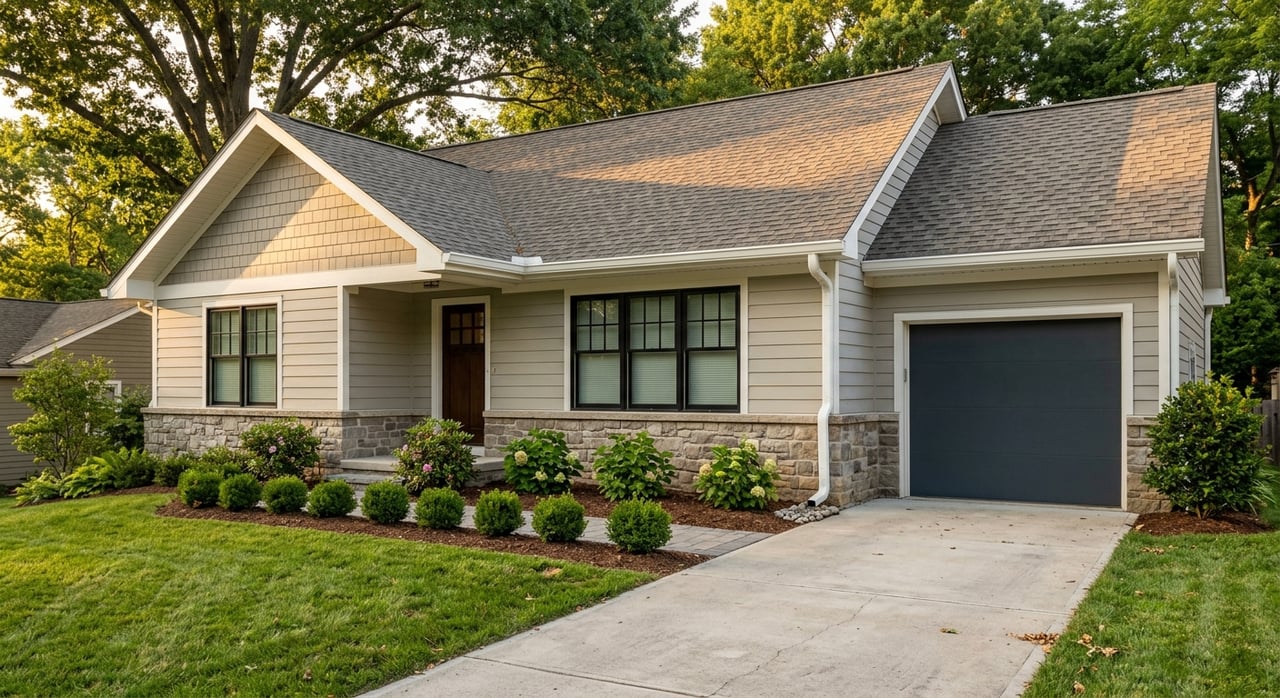
Wondering whether your Fletcher home is ready for an appraisal or inspection? You are not alone. These two steps can shape your sale price, negotiation leverage, and even your closing timeline, especially in a market where buyers may have more room to ask for repairs or credits. The good news is that a little preparation can go a long way. Let’s dive in.
Why appraisal and inspection prep matters
An appraisal and an inspection are not the same thing, and it helps to prepare for each with a different goal in mind. Under North Carolina law, an appraisal is a value opinion prepared by a registered, licensed, or certified appraiser, while a home inspection is a written evaluation based on observation or noninvasive testing of at least two residential systems or components such as HVAC, plumbing, electrical, structure, roof, masonry, and interior or exterior components. You can review those distinctions in the relevant North Carolina appraisal law.
For you as a seller, the difference is practical. Appraisal prep helps protect lender eligibility, while inspection prep helps protect your negotiating position. Good preparation for both can also reduce last-minute surprises that delay closing.
What an appraisal looks for
In a financed sale, the lender generally orders the appraisal. The appraiser’s job is to provide an independent opinion of value, not to help either side hit a target number. North Carolina law and Fannie Mae rules make it clear that appraisers must remain disinterested third parties, so the best approach is to provide factual information about your home and completed improvements rather than pushing for a desired value.
That means your focus should be on presentation, access, and documentation. Make sure the home is easy to walk through, clean, and visibly maintained. If you have completed repairs or updates, keep a simple list with dates and contractor information if available.
What an inspection looks for
A home inspection is usually ordered by the buyer to better understand the property’s condition and repair risk. North Carolina requires inspectors to evaluate systems and components such as heating and cooling, plumbing, electrical, structural elements, foundation, roof, masonry, and interior and exterior components, as outlined in the state’s home inspection standards.
Inspection findings often matter because they can lead to repair requests, credits, or even contract cancellation if the buyer has an inspection contingency. The Consumer Financial Protection Bureau also notes that major repairs can complicate closing, and some loan programs may require repairs before closing or set up an escrow account for the work.
Fletcher market conditions raise the stakes
Recent Realtor.com market data for 28732 shows Fletcher as a buyer’s market in February 2026, with a median home price of $469,000, 155 homes for sale, a median of 98 days on market, and a 99% sale-to-list ratio. In plain terms, buyers may have more leverage than they would in a tighter market.
That does not mean you need a major remodel before listing. It does mean visible maintenance issues are more likely to become negotiation points. In this kind of market, a short, smart punch list can do more for your net result than expensive cosmetic overhauls.
Focus first on high-impact systems
If you want to prepare efficiently, start with the items most likely to affect the appraisal, the inspection, or both. North Carolina inspection rules and lending standards point to a clear priority list.
Roof and visible exterior issues
The roof is one of the first things buyers, inspectors, and appraisers notice. Missing shingles, visible sagging, active leaks, damaged flashing, and obvious wear can all raise concerns. Even if the issue does not stop a sale, it can become a reason for the buyer to ask for repairs or credits.
Walk around your home and look for exterior items that signal deferred maintenance. Gutters, siding, trim, steps, railings, and drainage should all be in solid working order. Small items can create an outsized impression when they suggest bigger upkeep problems.
HVAC performance
Heating and cooling systems are part of a standard North Carolina inspection. If your HVAC is not cooling or heating properly, making unusual sounds, or showing signs of neglect, it is worth servicing before you list. A recent tune-up and clean filter can help support a smoother inspection process.
If a system is older, documentation becomes especially helpful. Keep service records handy so you can show that the unit has been maintained over time.
Plumbing leaks and water concerns
Plumbing issues are common inspection findings, and even minor leaks can concern buyers. Check under sinks, around toilets, near water heaters, and around exterior hose bibs. Look for active drips, staining, musty smells, or signs of prior water intrusion.
This is also important because North Carolina’s Residential Property Disclosure Statement was revised for use beginning July 1, 2024, with more detailed flooding-related questions. The current disclosure form is not a warranty, but sellers can face liability for knowingly hiding latent defects or other material facts.
Electrical and safety items
Loose outlets, missing cover plates, flickering lights, and exposed wiring are worth addressing before your home hits the market. These issues can feel small, but they can raise safety concerns quickly. If something appears questionable, a licensed electrician can help you decide what is worth correcting now.
Fannie Mae notes that some minor deferred maintenance items may be reported without requiring a repair condition, while more serious deficiencies tied to soundness or structural integrity must be repaired or addressed before closing. You can see those distinctions in the Fannie Mae Selling Guide supplement.
Foundation and structural concerns
Cracks, sloping floors, sticking doors, and visible movement around foundations or framing deserve attention early. Not every crack signals a serious problem, but visible structural concerns can affect both buyer confidence and lender requirements.
If you already have reports or invoices for prior repairs, keep them organized. Clear documentation can help reduce uncertainty when questions come up.
Know what is minor and what is serious
Not every flaw needs to be fixed before listing. Fannie Mae distinguishes between minor deferred maintenance and issues that affect soundness or structural integrity. Minor items often include worn floor finishes or carpet, minor plumbing leaks, holes in window screens, missing handrails, and cracked window glass, while more serious defects may trigger lender repair requirements or a need for further professional review.
The key is not perfection. The goal is to address issues that could stall financing, invite steep repair demands, or make buyers nervous about the home’s overall care.
Get your disclosure right
North Carolina requires most owners of one- to four-unit residential property to provide a Residential Property Disclosure Statement before an offer is made. The North Carolina Real Estate Commission also explains that a material fact is any fact that could affect a reasonable person’s decision to buy, sell, or lease property, and that material facts should be disclosed in a timely way, ideally in writing. You can review that guidance in the Commission’s bulletin on discovering material facts.
For you, this means honesty and consistency matter. If you learn new information after completing the disclosure, update it. Good pre-listing preparation is not just about avoiding surprises for buyers. It is also about reducing your own risk.
A simple prep plan before listing
You do not need to overcomplicate this process. For many Fletcher sellers, the best strategy is a focused pre-listing checklist.
Your pre-listing punch list
- Check the roof for visible damage or leaks
- Service HVAC if performance is inconsistent
- Fix active plumbing leaks and water stains
- Address obvious electrical safety concerns
- Review foundation or structural red flags
- Repair simple exterior maintenance items
- Gather receipts, warranties, and service records
- Complete the disclosure carefully and update it if needed
- Make sure the home is clean, accessible, and easy to evaluate
What to have ready for the appraiser
- A list of improvements and repairs
- Approximate dates of completed work
- Contractor invoices or receipts if available
- Any relevant permits or warranties you already have
- Clear access to all rooms and major systems
Remember, the goal is to provide facts, not to influence the appraiser toward a predetermined value.
Protect your timeline as much as your price
One of the biggest benefits of preparing early is better control over your schedule. If an inspection or appraisal reveals a major issue after you go under contract, the lender may require repairs before closing or hold funds in escrow for the work. As the CFPB explains, a major repair like a roof issue can make closing more complicated.
That is why timing matters. If you suspect a repair may be needed, handling it before the buyer’s inspection and appraisal windows can help you avoid rushed decisions, contractor delays, and unnecessary stress.
Final thoughts for Fletcher sellers
Preparing your Fletcher home for appraisal and inspection is really about protecting three things: your value, your leverage, and your timeline. In a buyer’s market, small maintenance issues can carry more weight, but that does not mean you need to spend heavily before listing. A focused plan, clean documentation, and proactive disclosure can make your sale smoother and more confident.
If you want experienced guidance on pricing, prep, and what matters most before you list, Mary Sitton can help you build a smart strategy that protects your equity and keeps your move on track.
FAQs
What is the difference between a home appraisal and a home inspection in Fletcher, NC?
- A home appraisal is an independent opinion of value, usually ordered by the lender, while a home inspection evaluates the home’s visible condition and systems, usually for the buyer.
What should sellers fix before an appraisal in Fletcher, NC?
- Focus on factual presentation and obvious condition issues that could affect lender concerns, especially major repair items tied to roof, structure, safety, or system functionality.
What do home inspectors check before a sale in North Carolina?
- North Carolina inspectors commonly evaluate heating and cooling, plumbing, electrical, structural components, foundation, roof, masonry, and interior and exterior components.
Do Fletcher sellers need to complete a property disclosure form?
- Yes, most owners of one- to four-unit residential property in North Carolina must provide a Residential Property Disclosure Statement before an offer is made, subject to limited exemptions.
Can inspection issues delay closing on a Fletcher home sale?
- Yes, major issues can lead to repair negotiations, lender repair requirements, or escrow arrangements that add time and complexity before closing.