Wondering whether a historic neighborhood or a newer subdivision is the better fit in Hendersonville? You are not alone. Many buyers love the charm of older in-town areas but also appreciate the structure and convenience that often come with newer development. This guide will help you compare the two so you can focus your search with more confidence. Let’s dive in.
How Hendersonville Neighborhoods Differ
In Hendersonville, the most helpful comparison is often not just old versus new. It is more about historic and early-20th-century in-town neighborhoods versus later planned subdivisions.
The city’s historic district inventory includes areas like West Side, Druid Hills, Cold Spring Park, Hyman Heights, Main Street, 7th Avenue Depot, Lenox Park, and Oakdale Cemetery. Downtown is known for its authentic small-town atmosphere and strong pedestrian experience, which shapes how many older neighborhoods feel and function.
What Historic Neighborhoods Feel Like
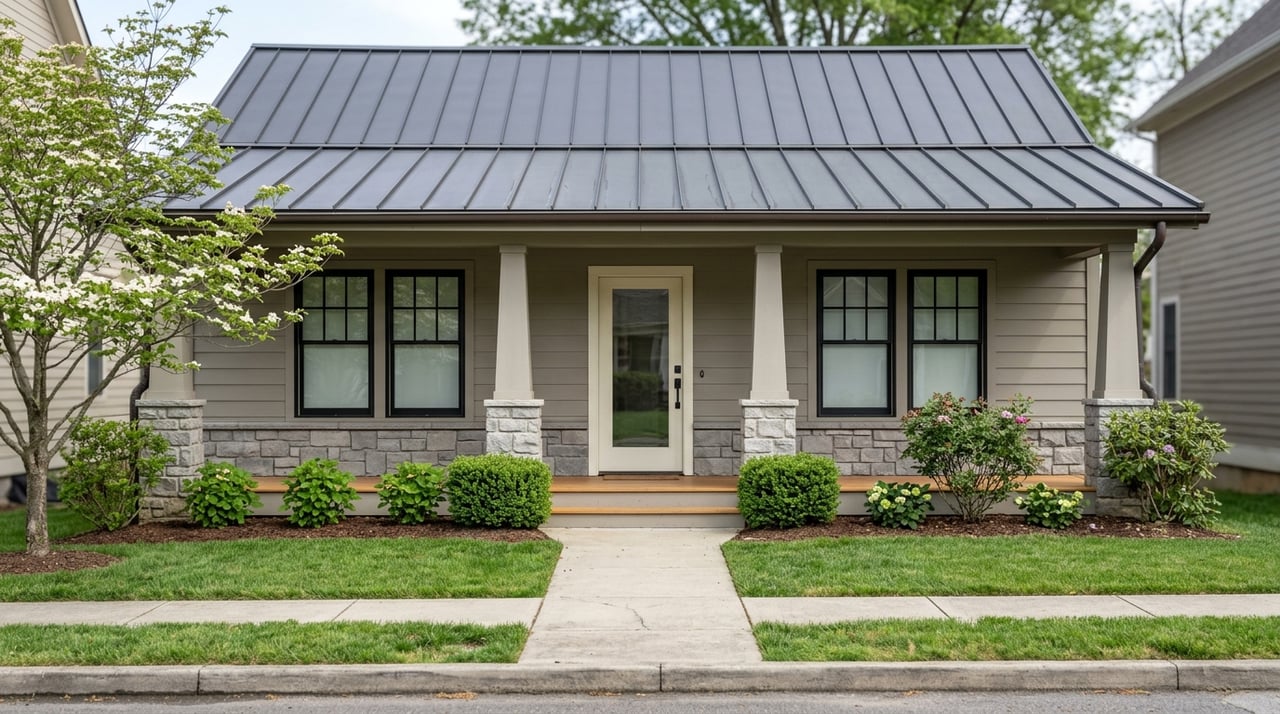
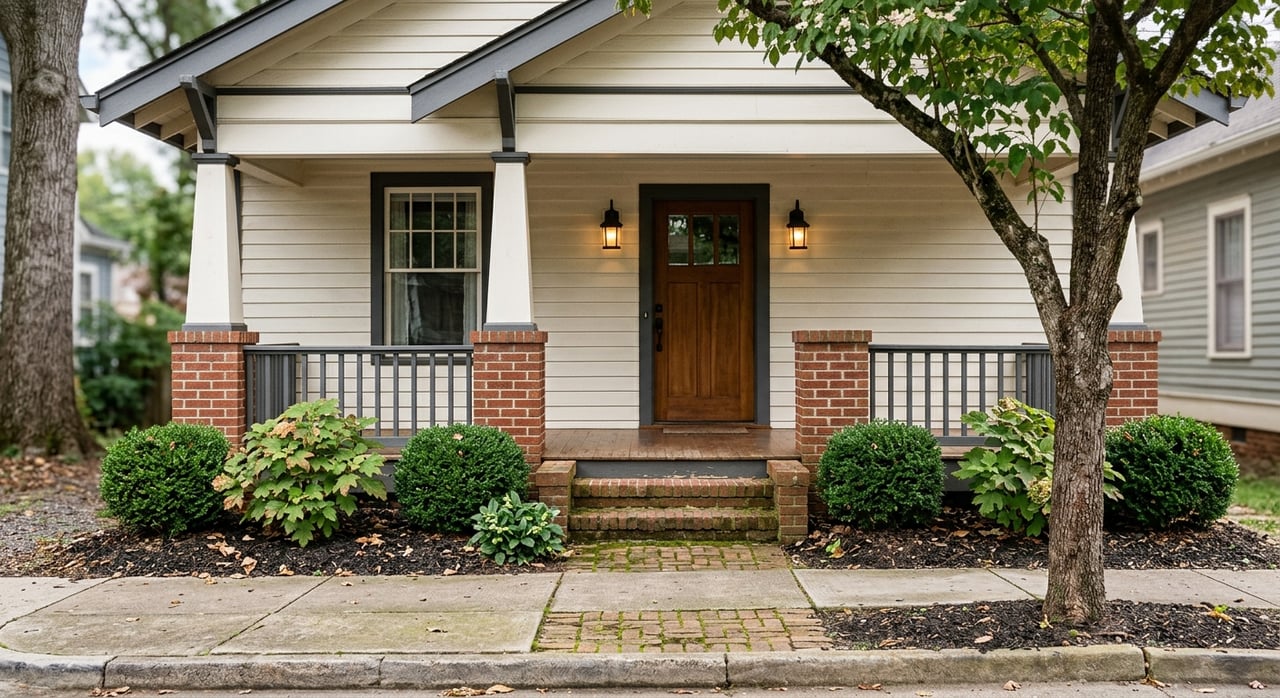
Older Hendersonville neighborhoods tend to have a more compact layout. You will often see narrower streets, sidewalks, front porches, mature landscaping, and homes set within an established street pattern that feels connected to downtown.
These areas developed during Hendersonville’s earlier growth, especially in the early 1900s through the mid-20th century. Because of that, the streetscapes can feel more varied and less standardized than what you might expect in a newer subdivision.
West Side Character
West Side sits just one block west of downtown and developed from the early 1900s through the late 1940s. It follows a traditional grid plan, and many lots are about 50 to 100 feet wide.
You will find one-story homes and a strong presence of bungalows, along with Colonial Revival, Tudor Revival, Four Square, Queen Anne, Ranch, and Minimal Traditional styles. If you like a neighborhood with visible history and easy access to downtown, West Side often stands out.
Druid Hills Layout
Druid Hills was platted in 1923 and has a different rhythm than a strict grid. Its curving streets, mature trees, and open spaces give it a softer, more landscaped feel.
Common home styles include Craftsman Bungalow, Tudor Revival, and Colonial Revival. Buyers who like character, established greenery, and less uniform lot shapes often respond well to this kind of setting.
Cold Spring Park Features
Cold Spring Park includes regular blocks, front lawns, and some hillside lots with stone retaining walls. Homes in the district date from about 1910 to 1953.
Architectural styles here include Craftsman bungalow, Colonial Revival, and Ranch houses. The mix of lot conditions and home styles can give the area a layered, long-established feel.
What Newer Subdivisions Are Designed For
Newer neighborhoods in Hendersonville are usually shaped by subdivision regulations that create a more planned environment. In practical terms, that often means a neighborhood that feels more consistent from street to street.
City rules address features such as sidewalks when required, sidewalk widths, street lighting, street-grade standards, curb and gutter in many situations, and approved road construction before final plat approval. The result is often a neighborhood with more standardized infrastructure and a more coordinated layout.
More Structure and Consistency
Later subdivisions are generally designed to manage traffic flow and internal organization more intentionally. The regulations discourage direct access from individual lots to collector or arterial streets, and private streets must still meet public-road standards in allowed situations.
That can create a neighborhood pattern that feels more controlled and less organic than older in-town areas. If you prefer predictability and a more uniform setup, this may appeal to you.
Common Areas and HOA Management
Some newer developments use cluster subdivision design, which allows smaller lots when the remaining land is preserved as vegetated open space. Architecturally integrated subdivisions can also adjust some lot-size and setback rules when the full site is planned as a coordinated whole.
When a development includes common areas, a homeowners association must be established before lots are sold or buildings are occupied. That HOA must have the legal authority to maintain common areas and collect contributions, which means neighborhood upkeep is often more formally managed.
Walkability and Daily Lifestyle
If walkability is high on your list, Hendersonville’s older in-town neighborhoods may deserve your attention first. Main Street, West Side, and nearby blocks are especially relevant for buyers who want stronger downtown access.
The city is investing in pedestrian connections through the 2023 Walk Hendo plan, which supports the appeal of these close-in areas. For many buyers, that means easier access to downtown destinations and a more connected everyday experience.
Newer subdivisions can still include sidewalks and internal neighborhood features, but their layout is often more inward-facing. That may work well if you want a planned residential setting rather than a historic street grid tied closely to downtown.
Maintenance and Renovation Expectations
One of the biggest practical differences between historic neighborhoods and newer subdivisions is what ownership responsibilities may look like over time. This does not make one option better than the other, but it can shape your decision.
Historic District Review
In local historic districts, routine maintenance that does not affect exterior appearance is not reviewed. However, exterior alterations, additions, new construction, demolition, significant landscape changes, and moving a building require a Certificate of Appropriateness before work begins.
The local design guidelines favor repair over replacement and are meant to guide change rather than prevent it entirely. If you are drawn to older homes, it helps to go in with a clear understanding of how exterior updates may be reviewed.
Possible Renovation Incentives
Properties in National Historic Districts may be eligible for state and federal tax credits for approved renovations. For a buyer considering a long-term restoration project, that may be worth exploring as part of your planning.
That said, eligibility and project approval matter, so this is usually a detail to look at carefully if a property catches your eye.
Newer Neighborhood Upkeep
In newer subdivisions, maintenance expectations are usually less about preserving original materials and more about standard home care, neighborhood rules, and shared obligations. If there are common areas or open space, the HOA must be able to maintain them and collect resident contributions.
The city can also require performance guarantees so streets and other improvements are completed to municipal standards. For some buyers, that creates a greater sense of structure and predictability.
Which Option May Fit You Best
If you are trying to narrow your search, it helps to think about how you want your home and neighborhood to function day to day. Your best fit often comes down to lifestyle, design preference, and comfort with maintenance expectations.
Historic Neighborhoods May Suit You If
- You want to be closer to downtown Hendersonville
- You enjoy mature trees, porches, and established streetscapes
- You appreciate architectural variety and older home styles
- You are comfortable learning about review rules for exterior changes in local historic districts
- You like a neighborhood pattern that feels more organic and less standardized
Newer Neighborhoods May Suit You If
- You prefer a more uniform neighborhood structure
- You want development standards tied to newer infrastructure planning
- You like the idea of common-area management through an HOA
- You prefer a neighborhood with coordinated design and road standards
- You want a setting that may feel more planned from the start
Why Local Guidance Matters
In Hendersonville, small differences between neighborhoods can have a big impact on how a home fits your goals. A bungalow near downtown, a curving street in Druid Hills, and a later subdivision with common open space may all offer very different ownership experiences.
That is why neighborhood-level guidance matters so much. When you understand street pattern, maintenance expectations, walkability, and how a community is structured, you can make a more confident choice and avoid surprises later.
If you are weighing historic charm against newer neighborhood convenience in Hendersonville, a local conversation can save you time and help you focus on the right areas. Connect with Mary Sitton for thoughtful guidance as you compare neighborhoods and plan your next move.
FAQs
What is the difference between historic and newer neighborhoods in Hendersonville?
- Historic Hendersonville neighborhoods usually have older street patterns, varied architecture, mature landscaping, and stronger ties to downtown, while newer subdivisions tend to be more planned, standardized, and HOA-managed.
Which Hendersonville neighborhoods are known for historic character?
- West Side, Druid Hills, Cold Spring Park, Hyman Heights, Main Street, 7th Avenue Depot, Lenox Park, and Oakdale Cemetery are part of Hendersonville’s historic district inventory.
What does walkability look like in older Hendersonville neighborhoods?
- Main Street, West Side, and nearby in-town blocks often offer the strongest downtown-walkable experience, supported by Hendersonville’s pedestrian-focused planning efforts.
What should buyers know about updating homes in Hendersonville historic districts?
- Routine maintenance that does not affect exterior appearance is not reviewed, but exterior alterations, additions, demolition, significant landscape changes, and moving a building require a Certificate of Appropriateness before work begins.
What are newer Hendersonville subdivisions usually like?
- Newer subdivisions often have more coordinated layouts, infrastructure standards, sidewalk and lighting requirements in applicable cases, and formal common-area management through an HOA when shared spaces are part of the development.
Can Hendersonville historic homes qualify for renovation incentives?
- Properties in National Historic Districts may be eligible for state and federal tax credits for approved renovations.