If you are shopping for a luxury mountain home near Asheville, the house itself is only part of the story. In this market, views, access, slope, utilities, and local rules can shape your ownership experience just as much as the finishes inside. Knowing what to look for before you buy can help you avoid surprises, protect your investment, and make a more confident decision. Let’s dive in.
What Luxury Means Near Asheville
In the Asheville and Buncombe County market, luxury is not just about price. It usually means a mix of scenic setting, privacy, usable land, quality construction, and practical access.
Current Canopy MLS reporting places homes above $700,000 in the luxury segment for the Asheville-area market. In April 2026, Buncombe County had a median sales price of $500,000, an average sales price of $630,145, and an average list price of $852,941. That helps show why buyers at the upper end need to look beyond the label and focus on what truly adds value.
Why the Site Matters So Much
With mountain properties, the land is part of the luxury product. A home may offer long-range views, wooded privacy, or a dramatic ridgeline setting, but those same features can also affect building limits, maintenance, and future improvement plans.
Buncombe County’s land-use plan identifies critical viewsheds, land above 2,500 feet, and slopes above 40% as sensitive areas. These areas may require added attention for stabilization and erosion control, and they can affect how a property is used over time.
Ask Whether the View Is Lasting
A beautiful view can be one of the biggest reasons buyers fall in love with a mountain home. Still, not every view is equally protected.
In Buncombe County, ridgelines, high elevations, conservation areas, and critical viewsheds are treated as development-sensitive. That means you should ask whether the view is protected by topography, easement, or zoning instead of assuming it will always stay the same.
Think Beyond the Main House
Luxury mountain living often includes more than square footage. The value may also come from how the home sits on the lot, how outdoor spaces are positioned, and how the structure works with the natural landscape.
Historic Asheville examples show a long pattern of view-oriented siting, where homes were placed to capture panoramic scenery while preserving the feel of the land. For today’s buyer, that means the site plan deserves just as much attention as the floor plan.
Common Luxury Styles in the Asheville Area
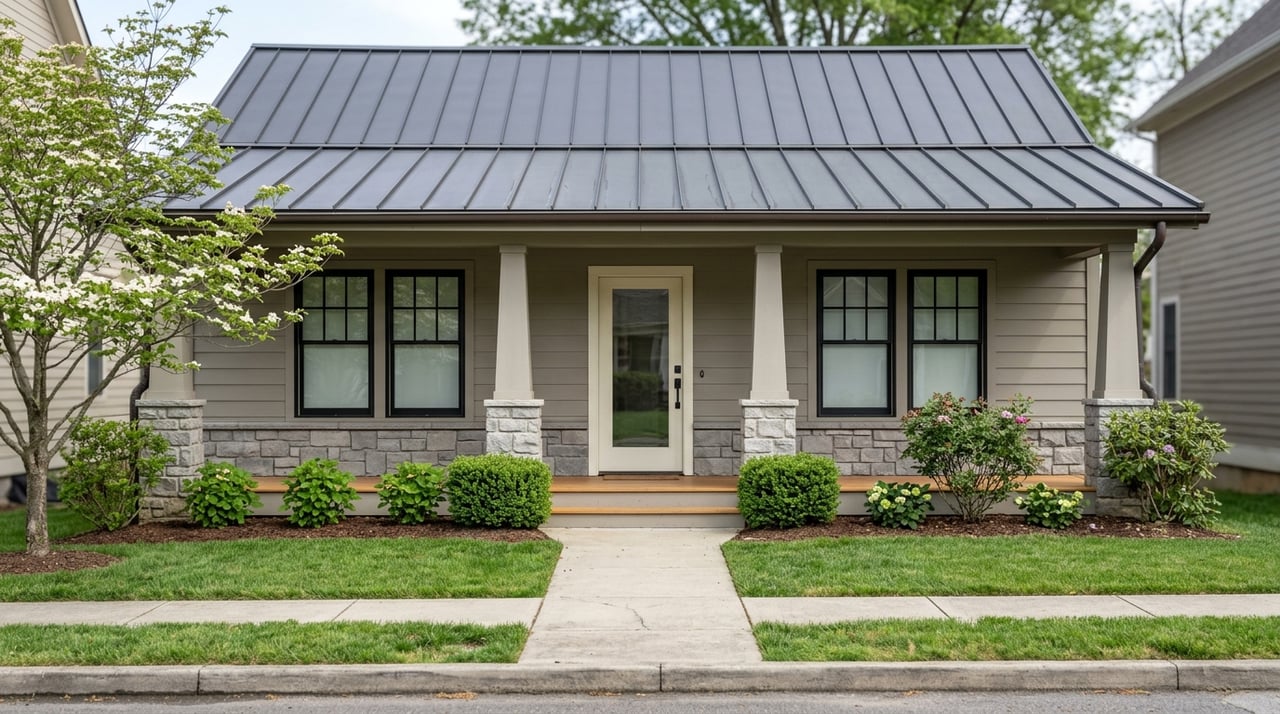
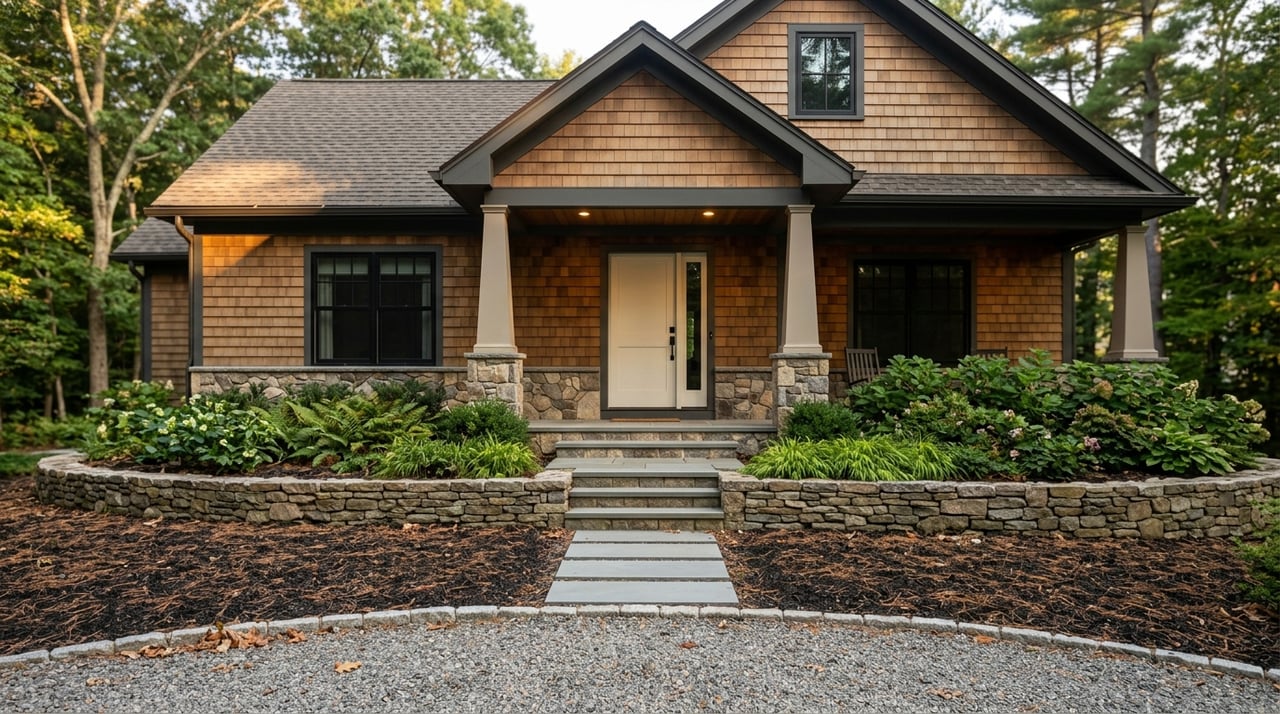
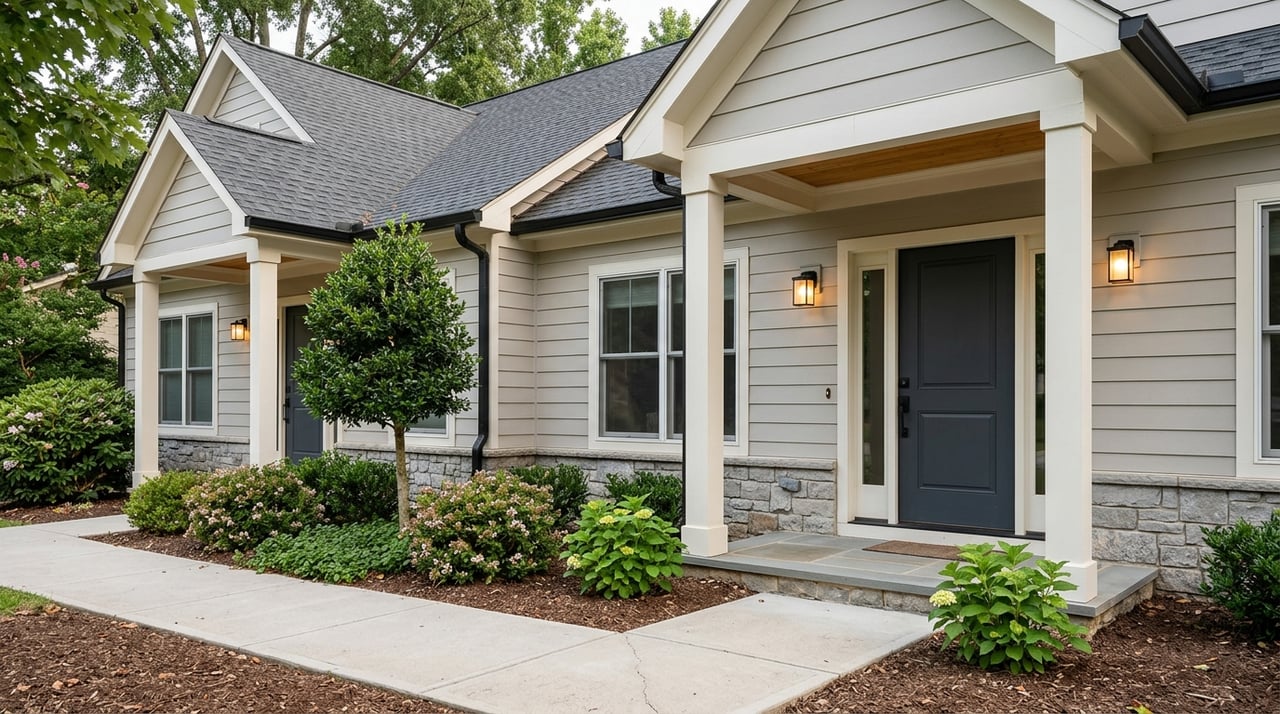
Around Asheville, high-end mountain homes often reflect established architectural traditions. You may see Craftsman, Bungalow, Shingle, Queen Anne, Tudor Revival, Colonial Revival, and Spanish Colonial Revival influences, especially in older or historically significant areas.
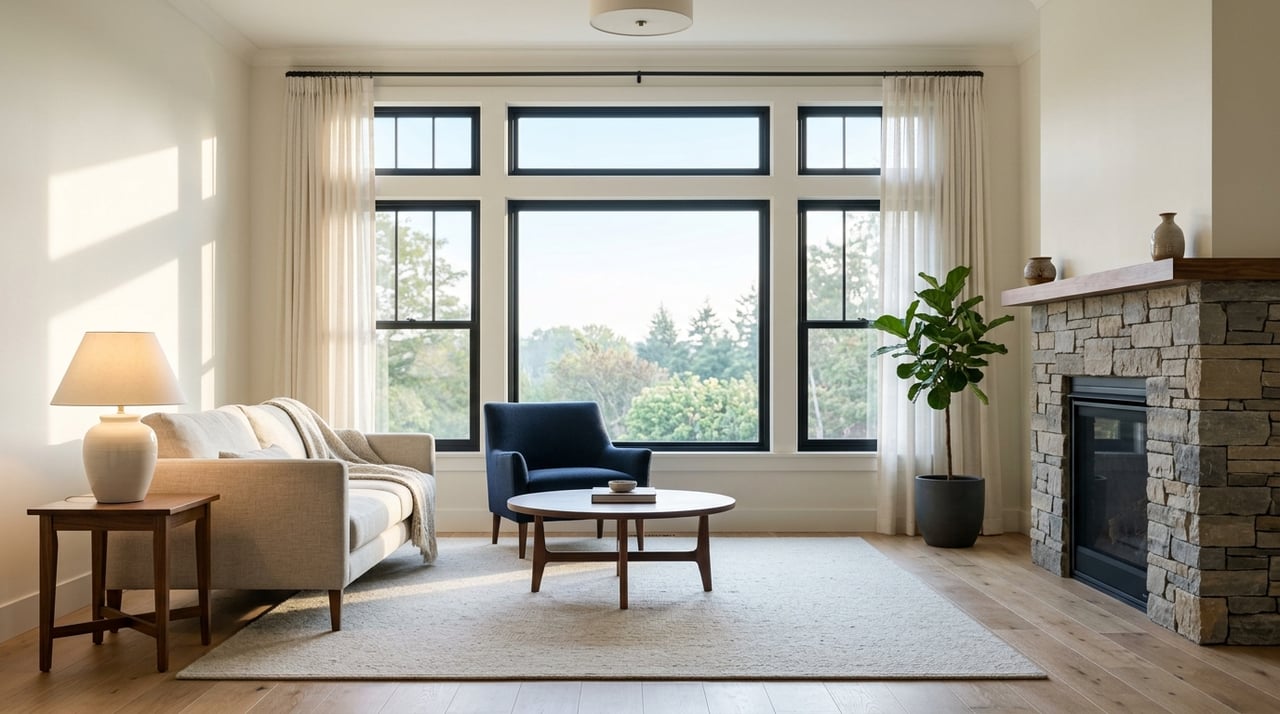
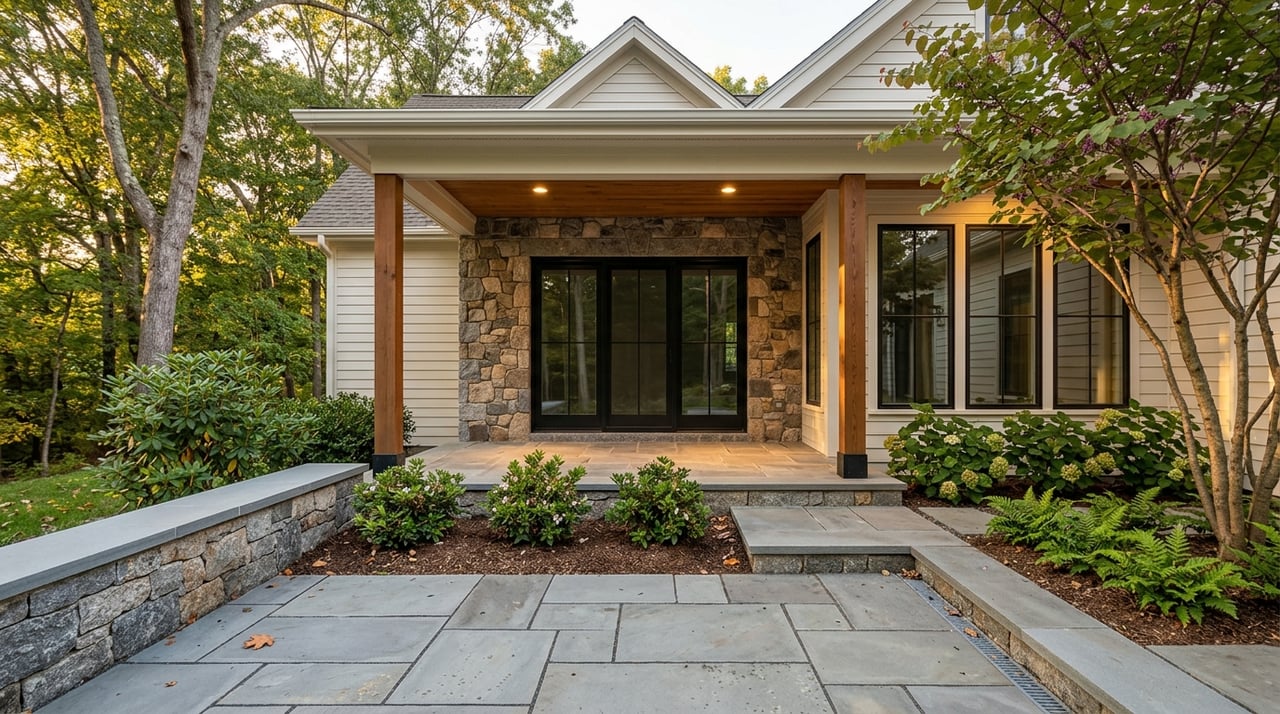
Many mountain-oriented homes also lean into natural materials and landscape-friendly design. Features often include wood or stone exteriors, large porches, exposed beams or rafters, wide eaves, lower-profile massing, and large windows that frame the outdoors.
Historic District Rules Can Affect Changes
If you are considering a property in a local historic district, design rules may apply. Asheville notes that properties in local historic districts are subject to design review, which can affect exterior changes.
Some contributing National Register properties may also qualify for historic tax credits. If that applies to a home you are considering, it is worth confirming the details early in your due diligence.
City or County Rules Change the Process
One of the first things to confirm is whether the property is inside Asheville city limits or in unincorporated Buncombe County. This matters because the rules, review standards, and permit pathways can differ depending on jurisdiction.
Asheville city parcels are governed through the city’s development rules and planning staff. Many surrounding mountain properties fall under Buncombe County rules for subdivision, erosion control, floodplain oversight, and environmental health.
Why Jurisdiction Matters
Two homes that seem close together on a map may follow very different approval processes. That can affect renovations, additions, land disturbance, infrastructure work, and even the timeline for making changes after closing.
For a luxury buyer, this matters because long-term flexibility is part of the property’s value. Before you buy, you want a clear picture of what is allowed and what may require extra review.
Mountain Due Diligence Deserves Extra Care
Luxury mountain homes can be extraordinary, but they also call for more detailed due diligence. In western North Carolina, issues like slope, road access, septic, wells, flood risk, and radon often matter more than they would on a typical in-town property.
This is where careful inspection and early document review can help protect both your budget and your peace of mind. A polished home can still come with site or infrastructure questions that are not obvious at first glance.
Steep Slopes and Landslide Concerns
Buncombe County identifies steep slopes and landslide-prone areas as important hazard concerns. Scenic ridge and slope properties may require special construction techniques, slope stabilization, and post-construction erosion control.
The county GIS system includes slope, landslide, protected-ridge, and FEMA flood layers. Screening those items early can help you understand risk and avoid expensive surprises later.
Road Access and Maintenance
Road access is one of the most important mountain-property questions. You should verify whether the road is public or private, who maintains it, and whether a recorded road-maintenance agreement is in place.
Buncombe County notes that private-road repair is not the county’s responsibility. The county also notes that it does not map access or utility easements, so buyers should review deeds and plats directly.
Septic and Well Questions
Many mountain homes rely on private systems. In Buncombe County, environmental health handles septic permitting, and a building permit will not be issued until an Authorization to Construct is issued for the septic system.
The county also requires a well permit before drilling a well, and state guidance says newly constructed private wells must be tested before use. If a home depends on septic and well service, those systems should be part of your due diligence from the start.
Floodplain and Water Issues
A mountain setting does not automatically mean low flood risk. Creekside and valley properties may still fall under Buncombe County’s floodplain ordinance if they are in the 100-year floodplain.
That is why drainage, runoff patterns, and floodplain review deserve close attention. Water movement can have a major effect on long-term maintenance and future improvements.
Radon Testing in Mountain Homes
Radon is another important item in this region. North Carolina public health guidance recommends that all homes be tested for radon, and mountain counties are estimated to have a higher share of homes with elevated levels.
For buyers, this is a straightforward but important step. It is one more way to understand the full picture before closing.
What the Luxury Market Looks Like Now
At the upper end of the Buncombe County market, buyers may have more room to negotiate than in a very tight market. In April 2026, homes sold for 94.2% of original list price on average, days on market reached 70, and months supply stood at 5.1.
Canopy’s Asheville-region reporting also noted that inventory growth was strongest above $700,000, which was contributing to longer market times at higher price points. That does not mean every luxury property is negotiable in the same way, but it does mean buyers should study value carefully.
What Often Drives Negotiation
In luxury mountain transactions, the biggest pricing questions are often tied to the site itself. View durability, road type, road maintenance, privacy, septic capacity, well quality, slope work, drainage, and limits on future improvements can all affect value.
Because of that, negotiations may center on repairs, credits, or infrastructure issues rather than just the asking price. A home with stunning finishes may still need meaningful adjustment if the access, retaining walls, or utility systems raise concerns.
Smart Questions to Ask Before You Buy
Before you move forward on a luxury mountain home near Asheville, it helps to ask clear, practical questions early. These conversations can reveal issues that photos and staging do not show.
Consider asking:
- Is the view naturally protected, or could future development change it?
- Is the property in Asheville city limits or unincorporated Buncombe County?
- Is the road public or private, and who maintains it?
- Are there recorded road-maintenance agreements?
- Does the home rely on septic, a private well, or both?
- Is any part of the property affected by floodplain review?
- Has the home been tested for radon?
- Are there steep-slope, protected-ridge, or historic-district considerations that could affect future changes?
Why Local Guidance Matters in Mountain Luxury
Buying a luxury mountain home near Asheville is rarely just about choosing the prettiest property. It is about understanding how the home, land, access, and local rules work together.
That is especially important for relocators, second-home buyers, and anyone comparing several mountain communities at once. A calm, thorough approach can help you weigh beauty and lifestyle against practical ownership factors that shape long-term value.
When you want experienced guidance on Asheville-area and western North Carolina homes, the team at Mary Sitton is here to help you navigate the details with confidence.
FAQs
What defines a luxury mountain home near Asheville?
- In the Asheville-area market, luxury usually reflects a mix of price, scenic setting, privacy, usable acreage, quality construction, and access, with Canopy MLS currently treating homes above $700,000 as the luxury segment.
Why does road maintenance matter for Asheville mountain homes?
- Road maintenance matters because some mountain properties are served by private roads, and Buncombe County notes that private-road repair is not the county’s responsibility.
What inspections are important for Buncombe County mountain homes?
- Important due diligence items often include slope and drainage review, road access verification, septic and well review, floodplain review, and radon testing.
Do Asheville historic districts affect luxury home renovations?
- Yes, properties in Asheville local historic districts are subject to design review, which can affect exterior changes.
Is the luxury market near Asheville competitive right now?
- Buncombe County data from April 2026 showed longer market times and stronger inventory growth above $700,000, which may give some buyers more room for negotiation depending on the property.
Why should buyers verify whether a home is in the city or county?
- Buyers should verify jurisdiction because Asheville city parcels and unincorporated Buncombe County parcels can follow different development rules, permit pathways, and review standards.