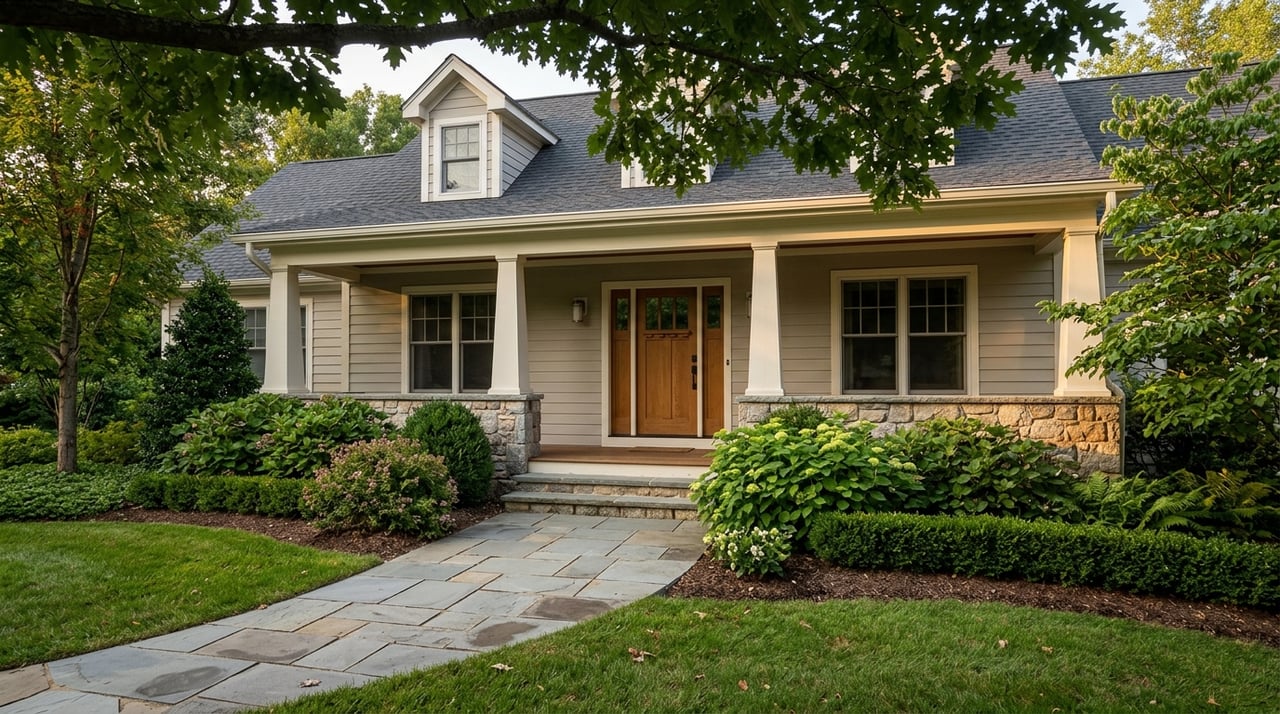
Wondering why so many buyers keep circling back to Flat Rock? In a region known for mountain towns and scenic neighborhoods, this village stands out for a different reason: it has protected its character on purpose. If you are considering a move, a second home, or a slower-paced setting in western North Carolina, understanding what makes Flat Rock unique can help you decide whether it fits your goals. Let’s dive in.
Why Flat Rock Feels Different
Flat Rock is a historic residential community in Henderson County that incorporated in 1995. The village covers 8.2 square miles and had a 2020 Census population of 3,486, which helps explain its smaller, more residential feel.
Just as important, the village has been clear about what it wants to remain: a small, quiet historic village with wooded scenic landscapes, quality homes, and open space. For buyers, that creates a sense of continuity that can be hard to find in faster-growing areas.
Preservation Shapes the Village
Flat Rock’s identity is tied to the Great Flat Rock granite outcrop, with public records using the name as early as 1807. The village’s history also connects the area to Cherokee gatherings and early traders, giving the community a deeper historical backdrop than many nearby markets.
Much of the village was placed on the National Register as the Historic Flat Rock District in 1973. That designation matters because it reflects a long-standing commitment to preserving the area’s homes, landscapes, and overall setting.
Historic Flat Rock, Inc., founded in 1968, adds another layer to that preservation effort. Its work focuses not only on historic homes but also on protecting important vistas, which helps maintain the village’s visual character over time.
The Tree Canopy Matters Here
In Flat Rock, mature trees are not just background scenery. The village’s tree-preservation rules treat the canopy along scenic byways and public roads as part of the traditional appearance of the community.
Some of those trees are more than 200 years old. For buyers, that means the wooded roads and established landscapes are not accidental. They are part of the village’s long-term identity.
What Daily Life Looks Like in Flat Rock
Buyers are often drawn to Flat Rock because it offers things to do without feeling busy or overbuilt. The appeal is less about nonstop activity and more about having meaningful local destinations close by.
That balance can be especially attractive if you want culture, recreation, and convenience in a quieter setting. Flat Rock offers that in a distinctly small-village way.
A Strong Cultural Identity
The Carl Sandburg Home National Historic Site gives Flat Rock an everyday connection to American history and literature. The site preserves Connemara, the Sandburg family’s 245-acre farm with more than 30 buildings, where Carl Sandburg spent the last 22 years of his life.
The Flat Rock Playhouse is another major part of village life. As the State Theatre of North Carolina, it has roots going back to 1940, received its state-theatre designation in 1961, and now presents a nine-month season while welcoming more than 100,000 patrons each year.
St. John in the Wilderness also reflects the village’s historic depth. The parish dates to the 1830s summer colony and is noted as the oldest parish in the Diocese of Western North Carolina, with a churchyard tied to prominent local history, including burial grounds for enslaved and freed people.
Outdoor Space Without Losing the Village Feel
The Park at Flat Rock adds a modern community amenity while still fitting the village’s overall character. It is open daily from dawn to dusk and includes a 1.5-mile perimeter trail, playground, pavilion, nature center, and welcome center.
For many buyers, that kind of amenity matters because it supports day-to-day life without changing the area into a more commercial environment. It is useful, accessible, and in keeping with the village’s low-key feel.
Scenic Roads and Small-Town Convenience
Flat Rock’s setting is part of its draw, but so is the way the village is experienced from the road. Scenic drives, wooded views, and a smaller commercial footprint all shape what living here feels like.
For some buyers, that means Flat Rock feels more intentional and less hurried than other mountain-area destinations. The experience is not about constant expansion. It is about living in a place that has protected its scale.
The Scenic Byway Adds Everyday Appeal
North Carolina’s scenic-byways program includes the Historic Flat Rock Scenic Byway. The route is described as a drive through a historic community with scenic vistas and forested landscapes shaped by Cherokee history and old summer homes.
That is more than a tourism detail. For residents, those scenic roads become part of everyday life, whether you are heading to a showing, meeting friends, or simply enjoying the drive home.
A Compact Village Center
Flat Rock’s shopping and dining core stays intentionally compact. In the center of the village, you can find original artwork, gifts, crafts, antiques, and food, with Little Rainbow Row and Flat Rock Square walkable from one another.
That layout supports convenience without turning the area into a dense commercial strip. If you value being able to enjoy local businesses while still feeling tucked into a residential setting, that is a meaningful part of Flat Rock’s appeal.
What Types of Homes Buyers Find
One of the biggest misconceptions about Flat Rock is that it only works for buyers looking for a historic estate. History is central to the village, but today’s housing options are broader than many people expect.
That variety is part of what keeps Flat Rock attractive to different kinds of buyers, from full-time residents to second-home shoppers and those planning a future move.
Historic Estates Still Define the Story
The National Register documentation shows that the historic district grew around large nineteenth-century estates and summer houses connected to Low Country families from South Carolina. The original district included architectural styles such as Second Empire, Gothic, and Stick/Eastlake.
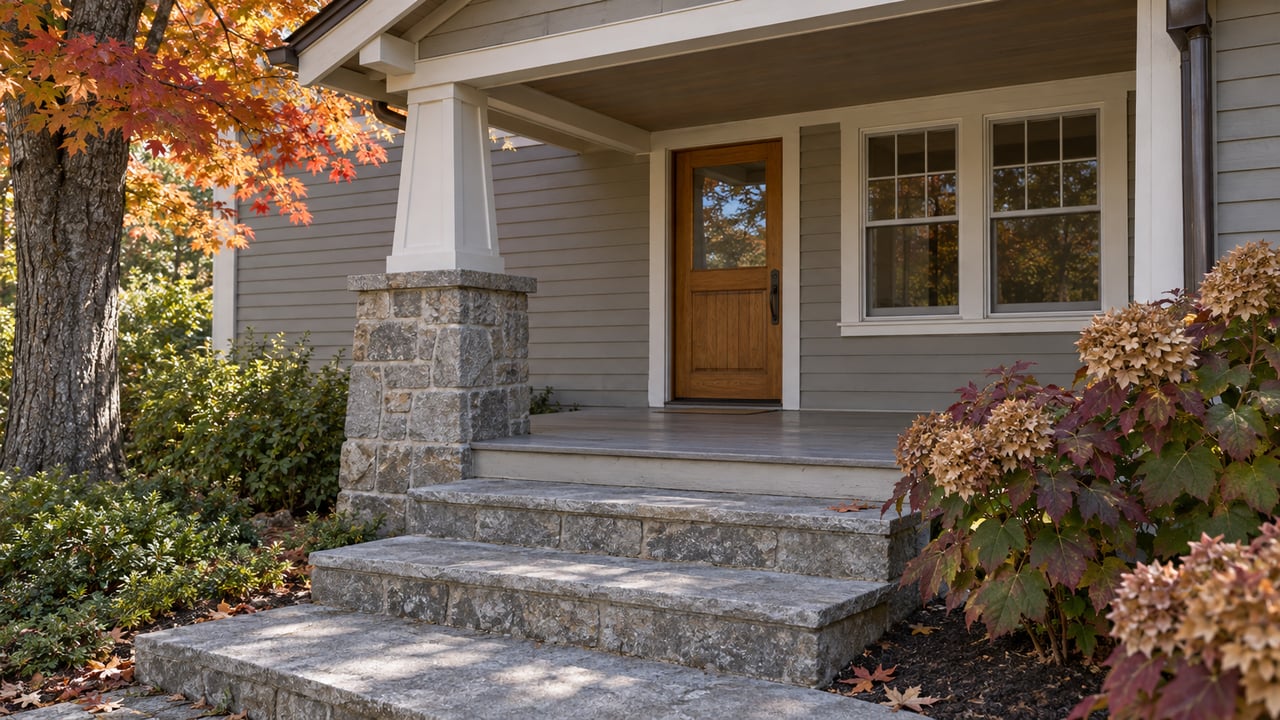
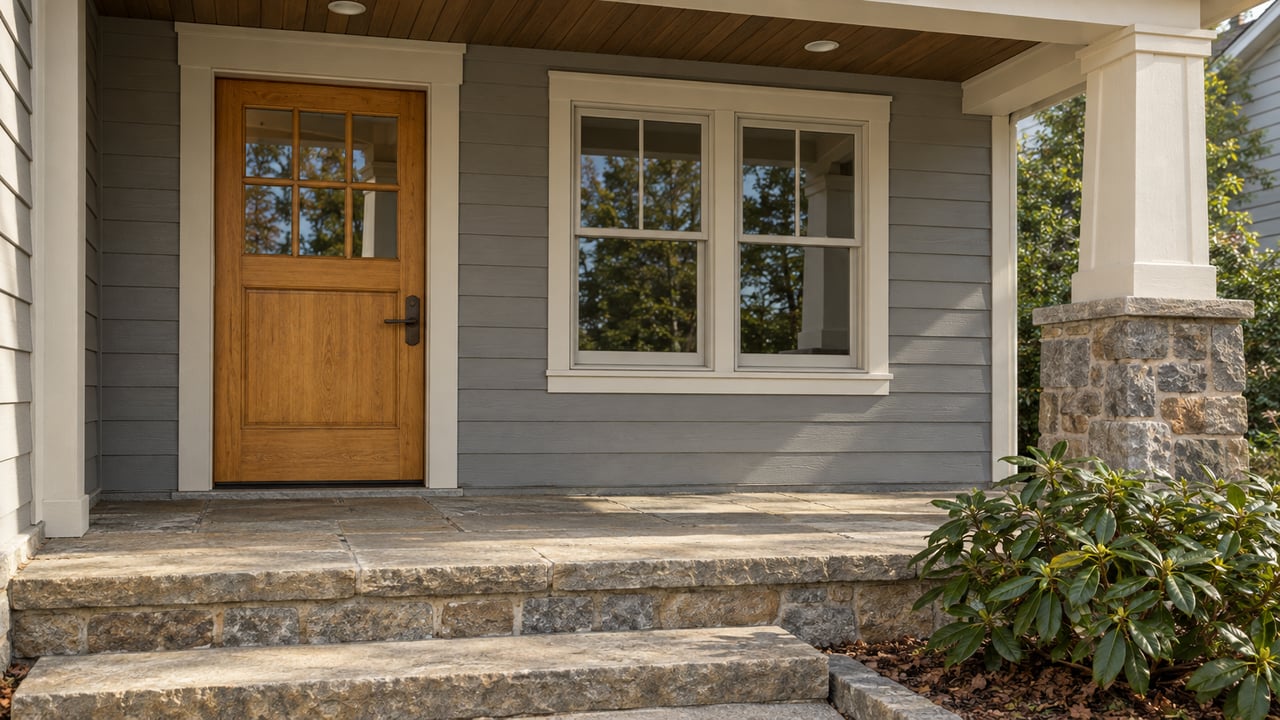
Later documentation expanded that picture to include Bungalow/Craftsman, Rustic Revival, Minimal Traditional, and Ranch homes. In other words, Flat Rock’s historic housing stock is not one-note. It includes a range of home styles tied together by setting, land, and preservation.
Historic Flat Rock’s house histories reinforce that estate-driven character. Named properties such as Mountain Lodge, Rutledge Cottage, Elliott Place, Many Pines, and Hopewood show how much of the village’s identity is tied to homes with established grounds and a documented past.
Today’s Inventory Is More Varied
Current market inventory includes more than historic properties alone. Community names associated with Flat Rock include Kenmure, Brookwood Village, Dunroy on Rutledge, Ridge View Condominiums, House Condominiums, Highland Golf Villas, and Beaumont Estates.
That mix points to a market that includes estates, condos, golf-oriented settings, and planned residential communities. So if you like Flat Rock’s atmosphere but do not need a historic home, there may still be options that fit your budget, maintenance preferences, or lifestyle.
What the Market Suggests
Flat Rock is not a bargain-priced mountain market. Recent price snapshots point to a mid- to upper-six-figure market, with meaningful variation depending on property type, location, and setting.
As of April 30, 2026, Zillow reported an average home value of $456,548 and a median list price of $549,000. Realtor.com’s March 2026 overview reported a median listing price of $635,000, described Flat Rock as a buyer’s market, and noted a median of 51 days on market.
Why Buyers Still See Value
For many buyers, Flat Rock’s value is tied to more than square footage. The appeal comes from preserved surroundings, scenic roads, cultural institutions, and a housing mix that includes both legacy properties and more accessible ownership options.
That does not make every home the right fit, of course. But it does explain why buyers who care about character, setting, and long-term appeal often keep Flat Rock on their shortlist.
Who Flat Rock Tends to Appeal To
Based on the village’s stated vision, amenities, and housing mix, Flat Rock often resonates with buyers who want scenic surroundings, historic character, and a slower pace. That can include retirees, second-home buyers, and people relocating from out of state who want a manageable village environment.
It can also appeal to local buyers who want something different from a busier commercial area. If you are looking for a place where preservation and daily livability go hand in hand, Flat Rock offers a strong case.
Why Local Guidance Matters in Flat Rock
Flat Rock is a nuanced market. A historic property, a golf community home, and a condo can all exist within the same village, yet offer very different ownership experiences, pricing patterns, and buyer expectations.
That is why local, neighborhood-level guidance matters. When you understand how setting, preservation, inventory type, and market timing intersect, you can make a more confident decision and avoid paying only for a name without getting the fit you want.
If you are weighing a move to Flat Rock or preparing to sell there, working with a team that knows the village’s character can help you move forward with clarity. When you are ready for experienced, steady guidance, connect with Mary Sitton.
FAQs
What makes Flat Rock, NC appealing to home buyers?
- Flat Rock appeals to buyers who want a small historic village with wooded scenery, open space, preserved character, cultural landmarks, and a quieter day-to-day environment.
Is Flat Rock, NC only for buyers seeking historic homes?
- No. While historic estates are a big part of the village’s identity, current inventory also includes condos, golf-community homes, and other residential neighborhoods.
What is daily life like in Flat Rock, NC?
- Daily life in Flat Rock tends to center on scenic drives, the village’s compact shopping and dining area, the Park at Flat Rock, the Flat Rock Playhouse, and other community landmarks.
What home prices should buyers expect in Flat Rock, NC?
- Recent market snapshots place Flat Rock in the mid- to upper-six-figure range, with reported figures including an average home value of $456,548, a median list price of $549,000, and a median listing price of $635,000 depending on source and timing.
Who is a good fit for buying a home in Flat Rock, NC?
- Flat Rock may be a strong fit if you value scenic surroundings, historic character, a slower pace, and a residential setting with a mix of cultural amenities and housing options.